


With the new year, Croatia began a new period of history and economic development. On January 1, 2023, Croatia, as the youngest member of the European Union, joined the Schengen zone and introduced the euro as the official monetary unit and legal tender. This completed the integration of Croatia into the European Union system, and Croatia and Dubrovnik became even more attractive to numerous tourist and business visitors.
With Croatia's entry into the Schengen area, this zone of free movement of people and goods now consists of 27 member states - 23 members of the European Union and Switzerland, Iceland, Liechtenstein and Norway. More than 423 million people in this zone can travel between member states without going through normal border controls, so the Schengen area brings significant economic benefits to citizens and businesses in member states. Around 3.5 million people cross internal borders every day for life and business needs, and it is estimated that Europeans make around 1.25 billion trips within the Schengen area every year. This indicates numerous benefits for the tourism sector and will have a very favourable effect on the development of Croatian tourism, especially if we take into account that more than 16 million foreign tourist arrivals were realized last year alone. The abolition of the usual checks at border crossings for all travellers from Schengen member countries makes traveling to and from Croatia much easier, making it even more accessible.
At the same time as it entered the Schengen zone, Croatia became the 20th member of the Eurozone by introducing the euro as the official currency, thus joining the community of 347 million citizens of the European Union for whom the euro is the common currency. The introduction of the euro will have multiple positive effects on Croatian tourism and its competitiveness on the world tourist map. From now on, numerous guests will no longer have conversion costs and will find it easier to find their way around the displayed prices, which will not have to be recalculated. One of the positive consequences will certainly be the simplification and additional improvement of business processes between domestic and foreign tourism entities.
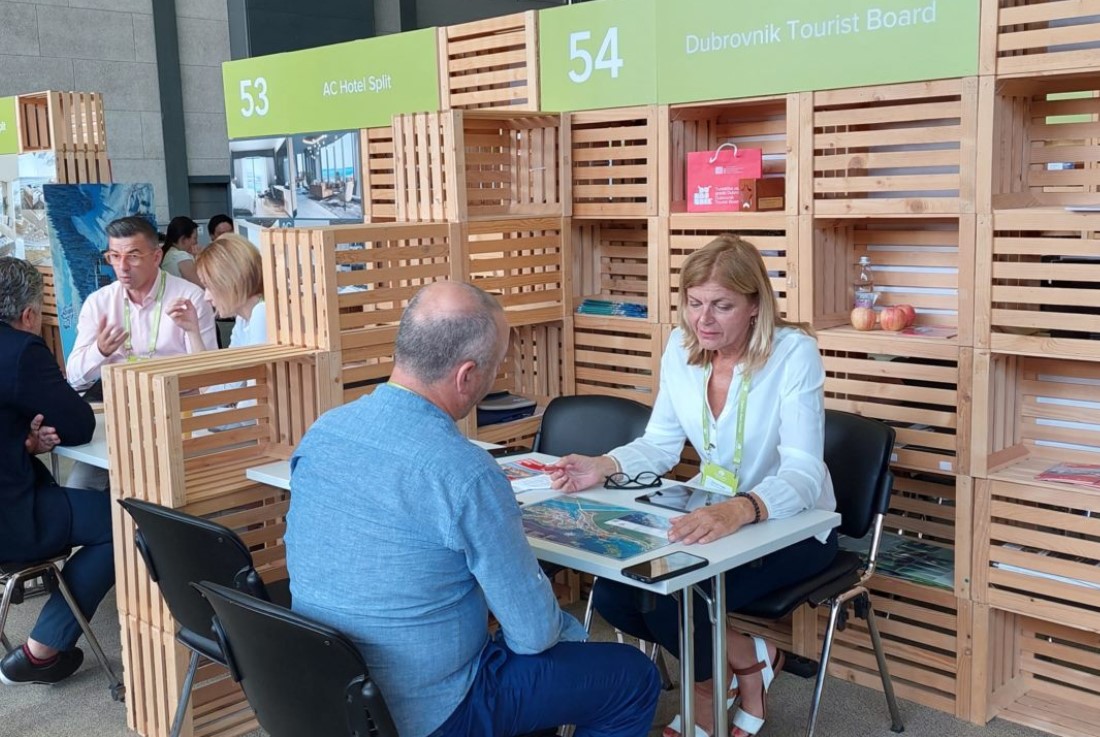
Croatia's entry into Schengen, along with the introduction of the euro as the new official currency, is a great achievement for Croatia, which has become more practical for business trips. As a result, its key meetings destinations - among which Dubrovnik stands out in particular - have become even more attractive on the European meetings-incentives scene.