
Monuments
Monuments
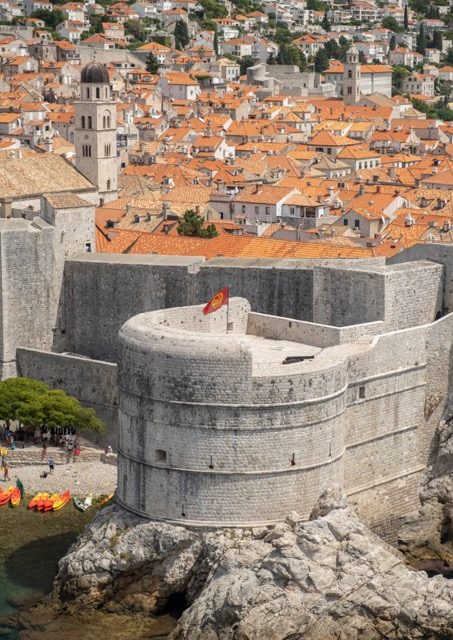
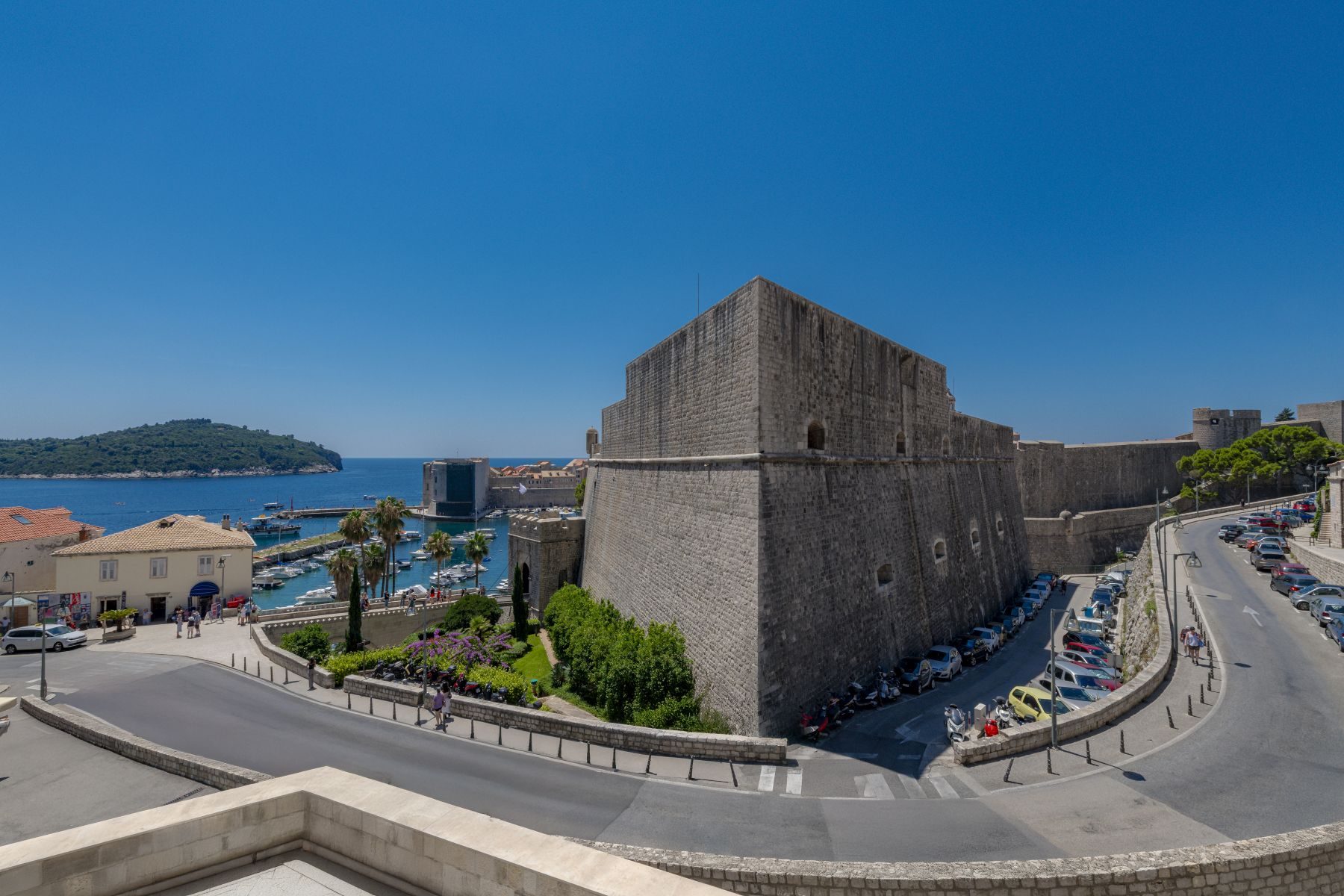
Bokar Fort
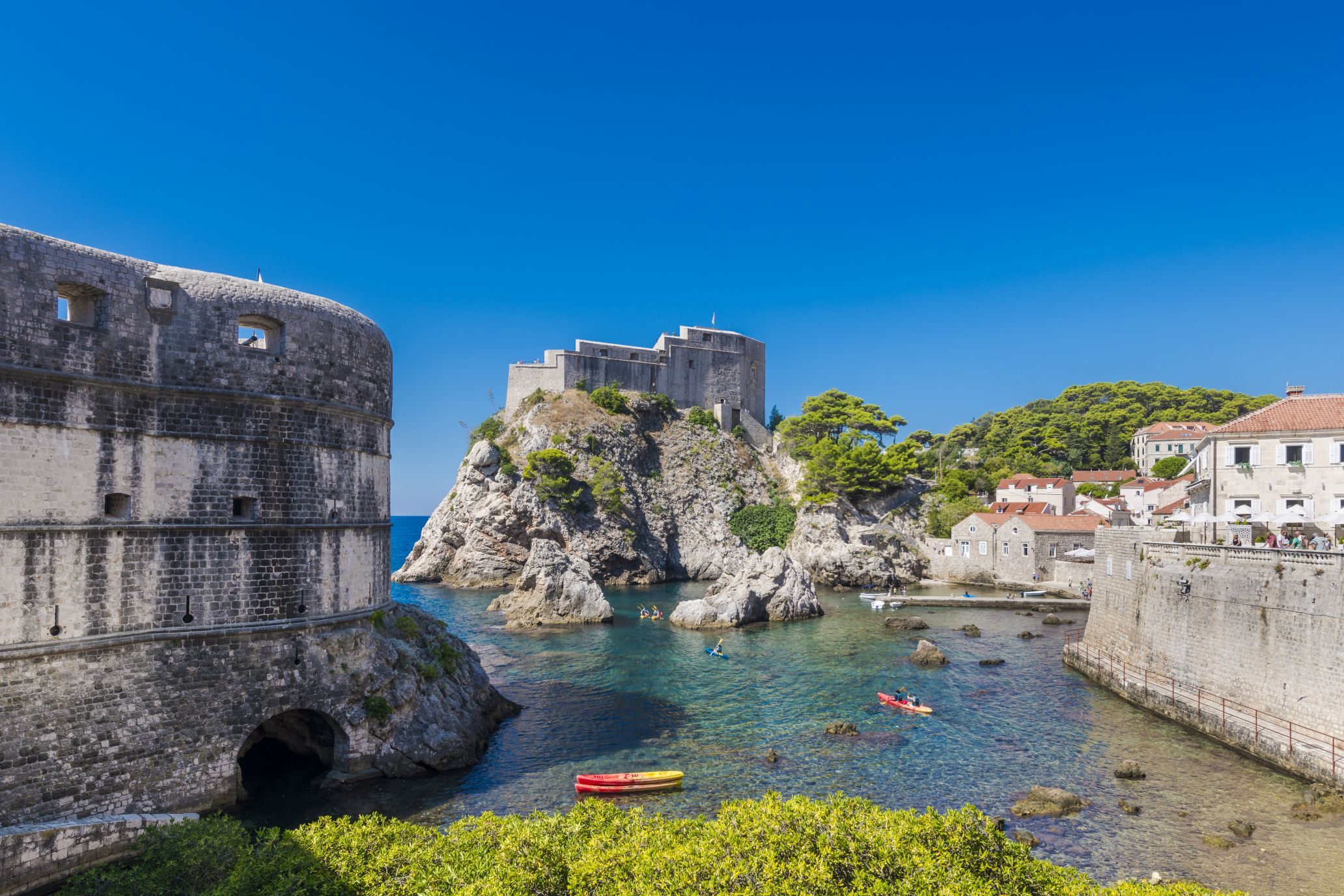
At the time of its construction it was called Zvjezdan (the Star Tower) or the Tower of Brsalje, after the shooting range that was located not far from it, across the city moat. It is…
 © Raguž Lučić
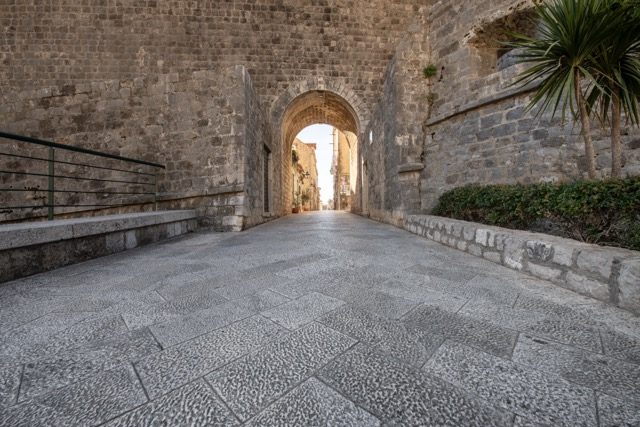
Buža Gate
Following Ruđer Bošković Street to the top of the steps, you will arrive at the Buža Gate that was opened in the city walls in 1907. The street was named after the native house of Ruđer…
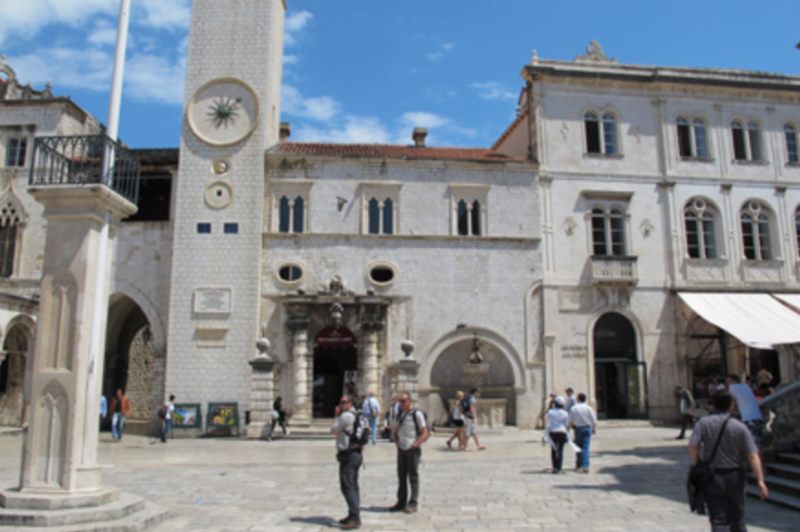
City Guard Building
Next to the Bell Tower is the City Guard building, the Admirals residence from the 15th century. It was restored in the 20th century, yet the splendid Baroque facade, the work of architect…
 © Raguž Lučić
Collegium Ragusinum
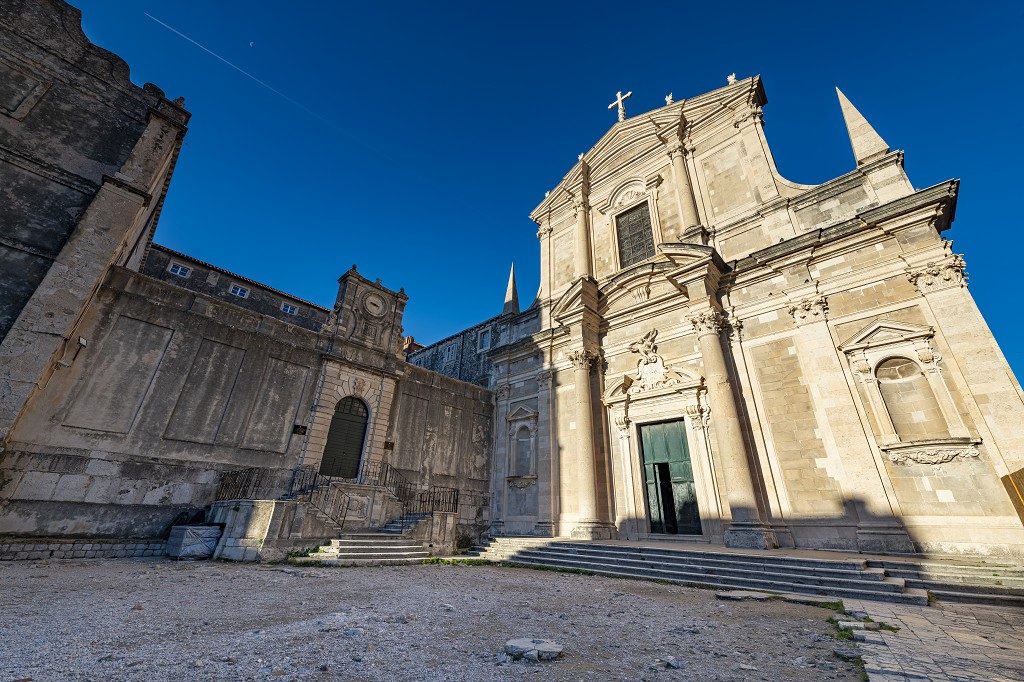
The building adjacent to the church is the famous Dubrovnik college Collegium Ragusinum. The Jesuits came to Dubrovnik in the first half of the 16th century aiming to open a Jesuit College…
Dubrovnik City Walls
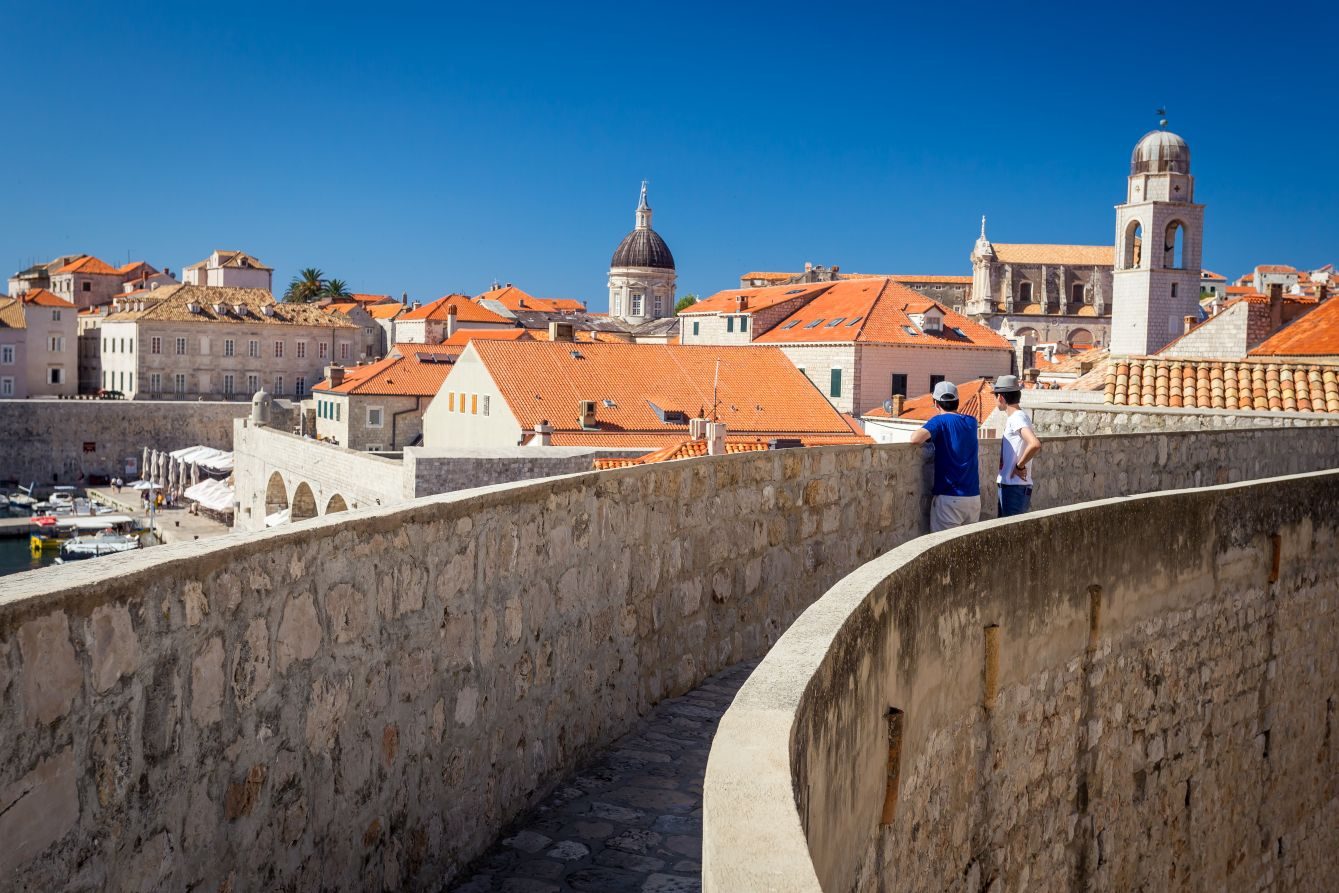
The city ramparts are considered to be one of the most grandiose fortification monuments in Europe.
 © Raguž Lučić
Gundulić Square
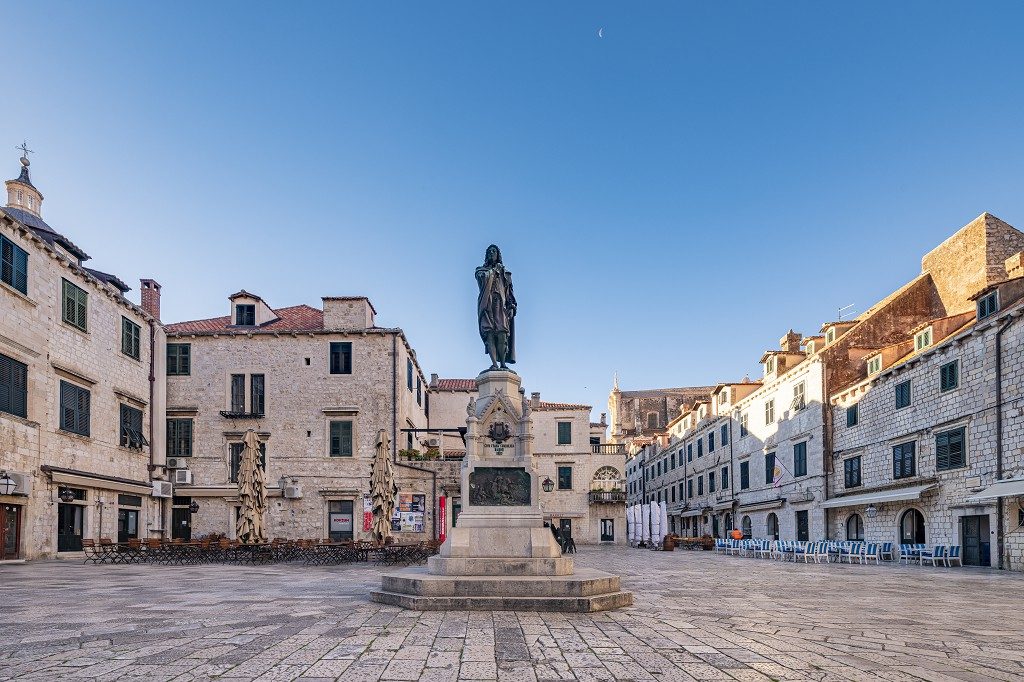
Behind the Cathedral, and across from Bunić Square one reaches Gundulić Square with the statue of Ivan Gundilić, one of Dubrovnik's finest 18th century poets. The Statue is the work of Ivan…
 © Raguž Lučić
Lovrjenac Fortress
The monumental standalone fortress, rising on a 37-metre-high sea rock, was named after Saint Lawrence, and throughout history it was also called the Gibraltar of Dubrovnik.
 © Raguž Lučić
Luža and the City-Bell Tower
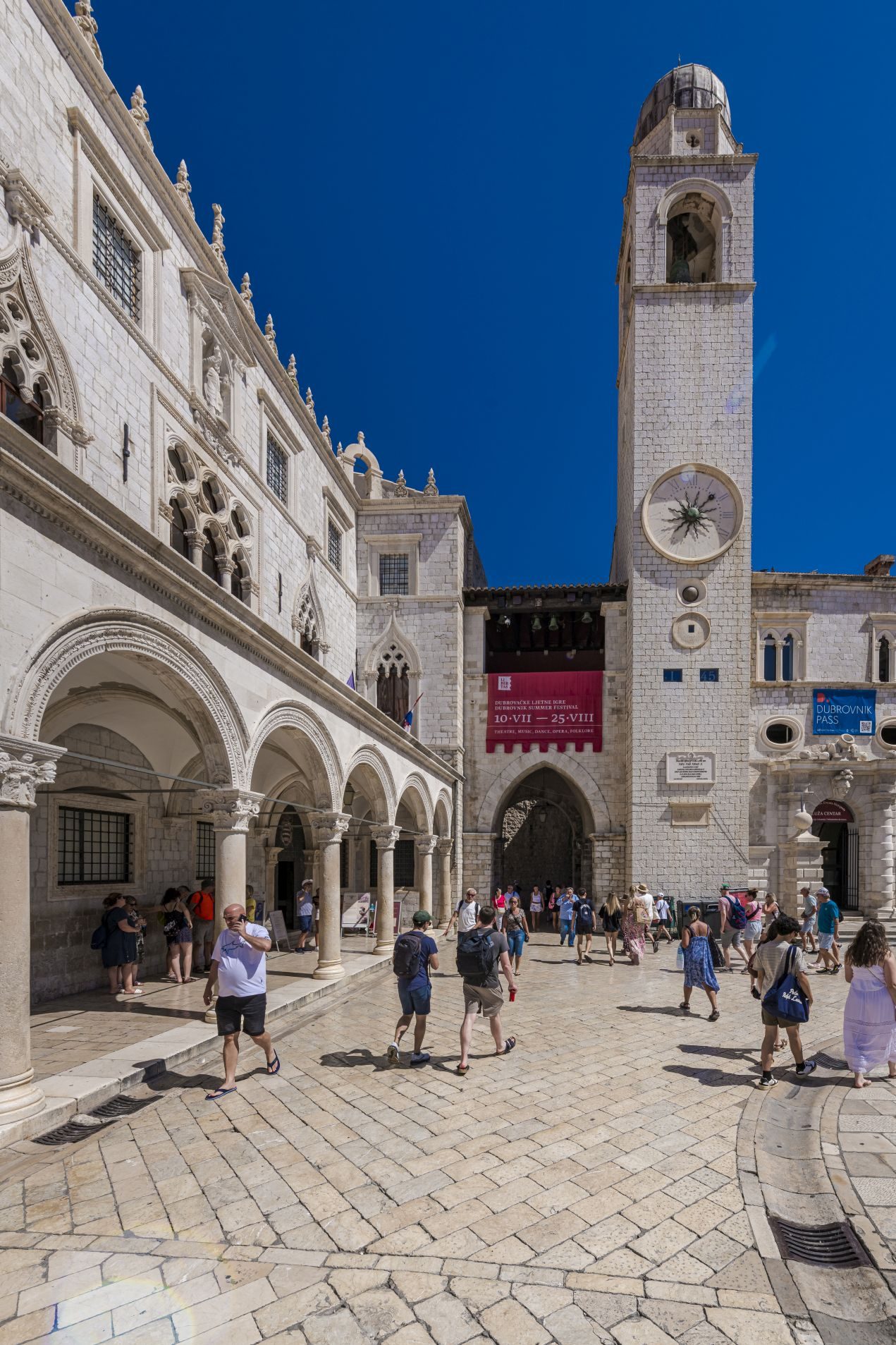
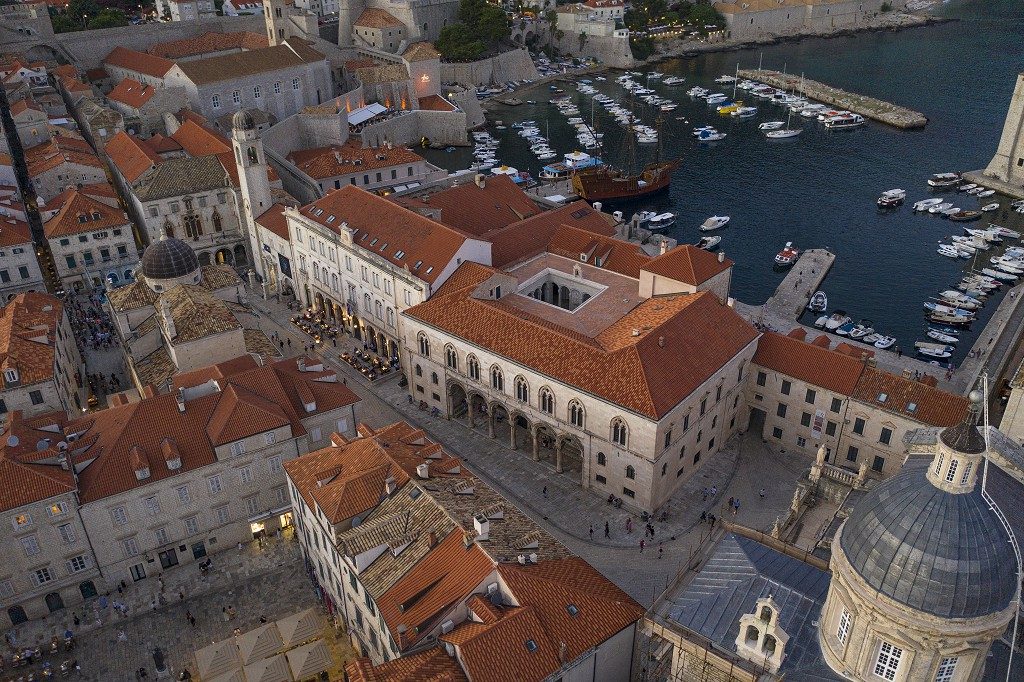
Entering the City from the east, through the Ploče Gate, along the street between the southern side of the Dominican Monastery and the city wall, through the Custom's Gate, you will come to…
 © Zoran Marinović
Major Council Palace
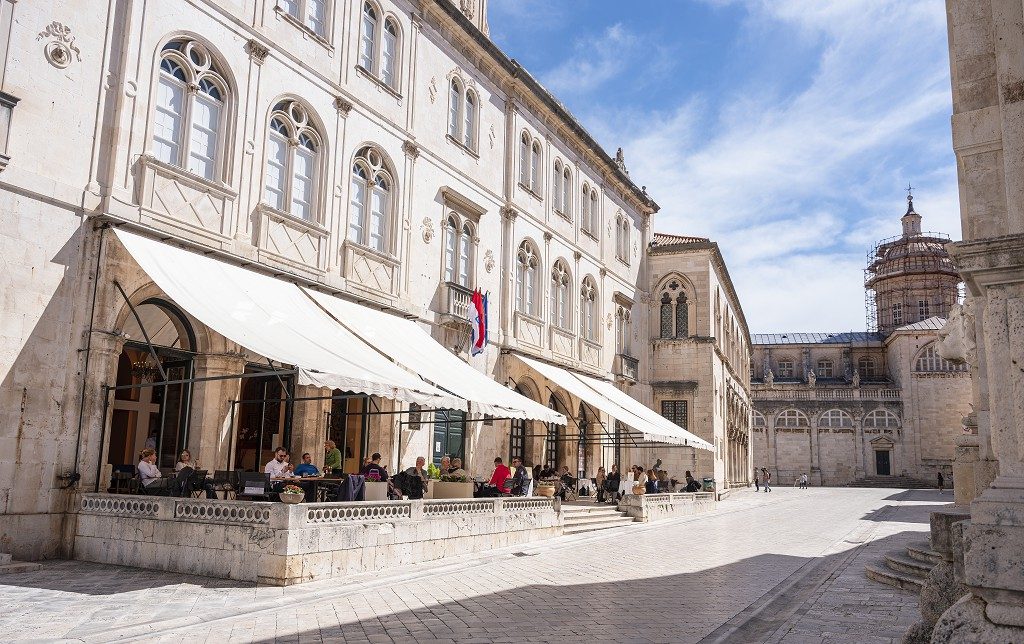
The Major Council Palace, constructed in the 14th century, was located between the City Guard and the Rectors Palace. From the eastern seaward side it adjoined the large arsenal, the…
Miho Pracat
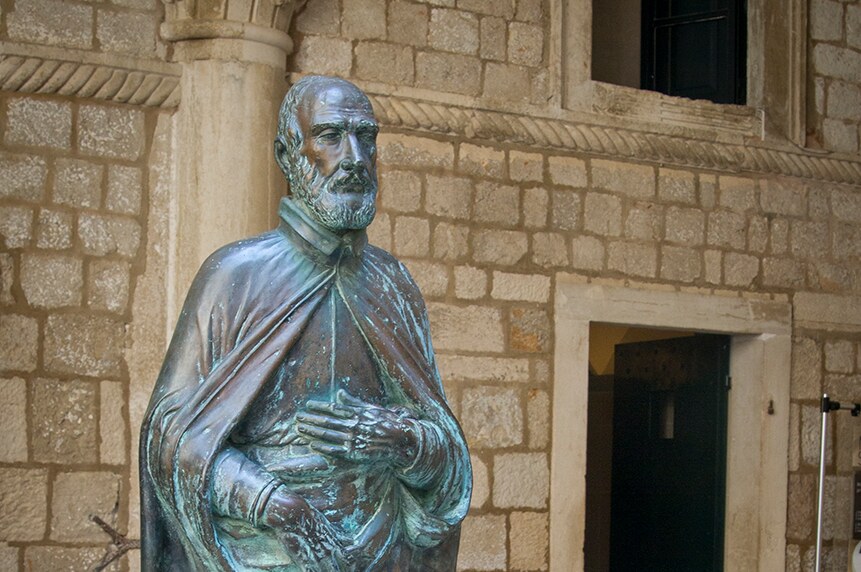
What is the reason why the Dubrovnik Senate reached a decision in 1638 to place a bust of a commoner between two columns at the eastern wing of the Rectors Palace atrium? The only plebeian…
Minčeta Fort
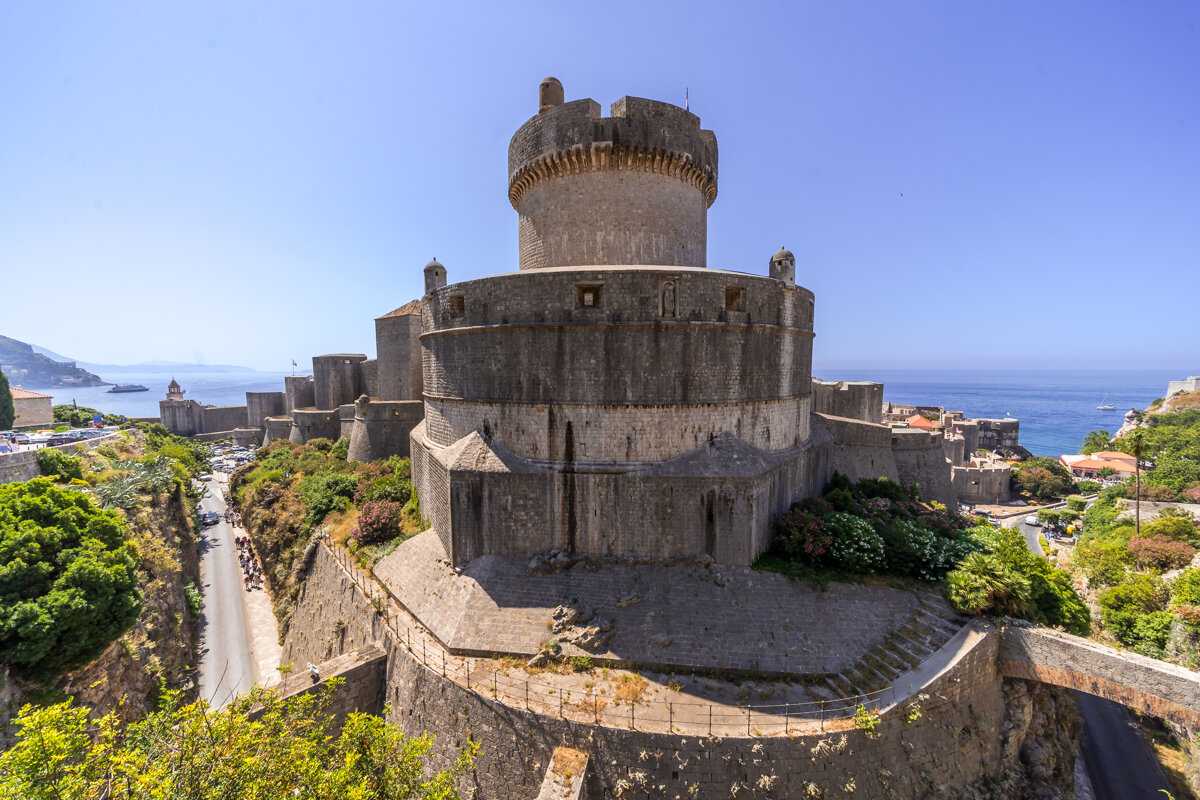
Minčeta Fortress dominates the highest north-western part of the City. It is a large circular tower with a massive battlement suspended by stone supports. The first, smaller, quadrangular…
 © Zoran Marinović
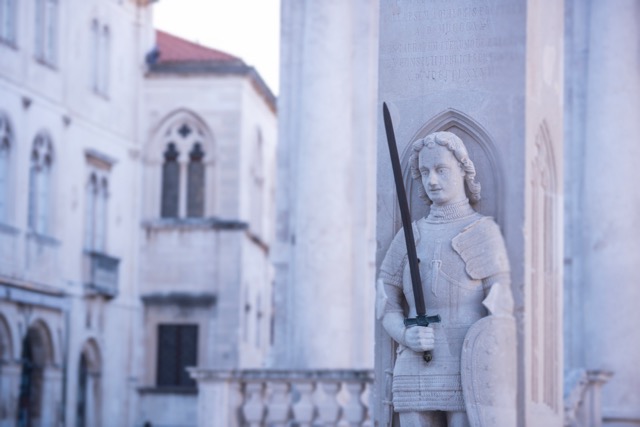
Orlando's Column
Dubrovnik's Orlando's Column is adorned with the figure of a medieval knight holding a sword, with the characteristic Gothic smile on his face framed by curls, and is considered one of the…
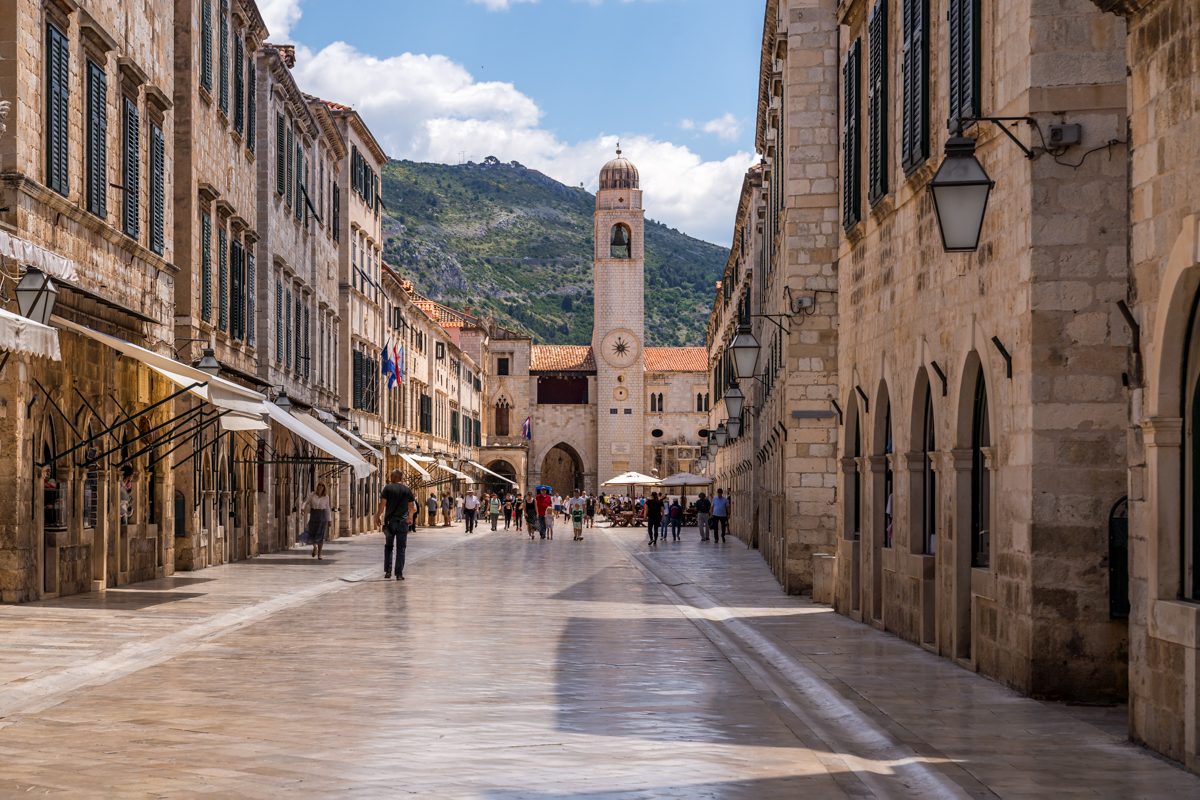
Placa
The simplicity of the main street Placa, called Stradun, reflects the harmony of the entire Old City of Dubrovnik as its greatest treasure.
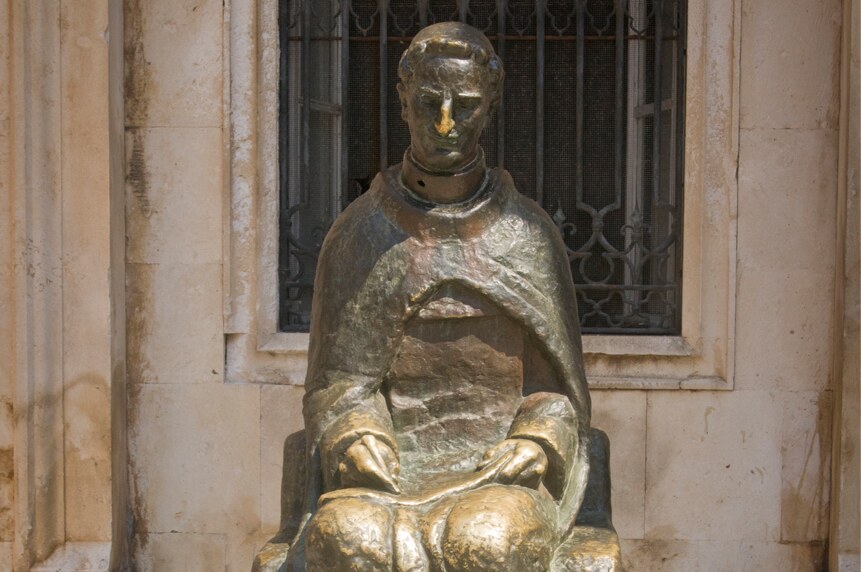
Playwright Marin Držić – Vidra
The monument to the greatest playwright of Dubrovnik, Marin Držić, is located between the theatre named after him and the Rector's Palace, under the authentic section of the City Hall in…
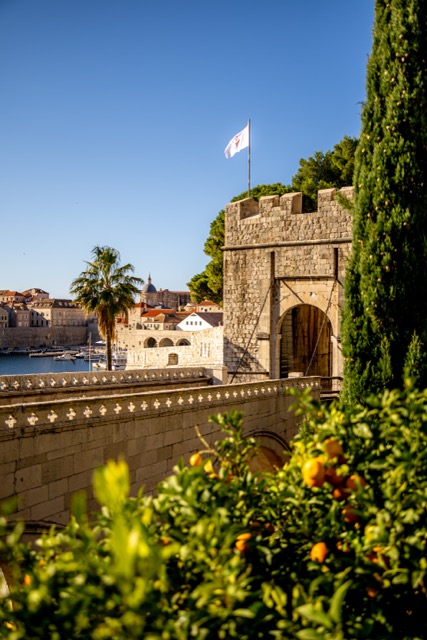
Ploče Gate
The street between the southern wall of the Dominican Monastery and the city wall leads to Ploče Gate.
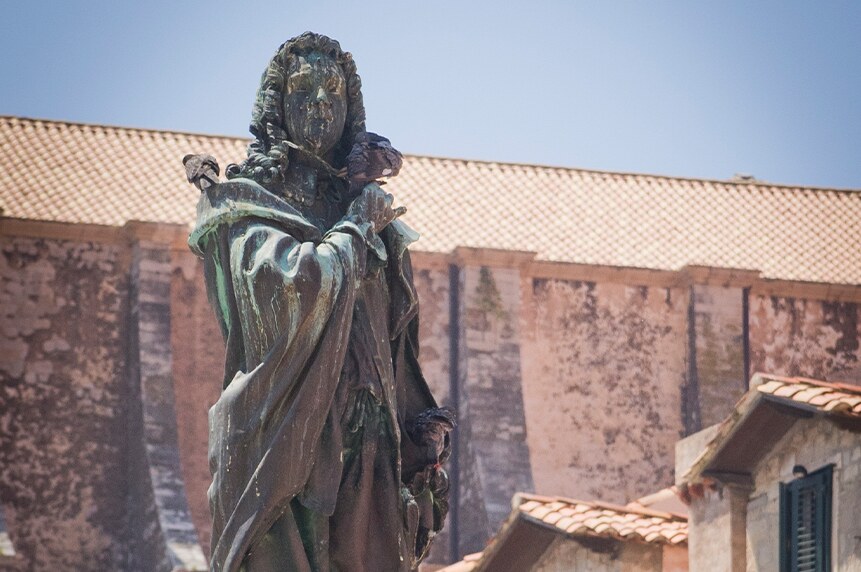
Poet Ivan Gundulić – Mačica
Gundulić Square, the heart and belly of the city in the morning, - the crowded green market resounding with the voices of housewives who purchase the fruits of fertile fields of the…
 © Julien Duval
Prijeko
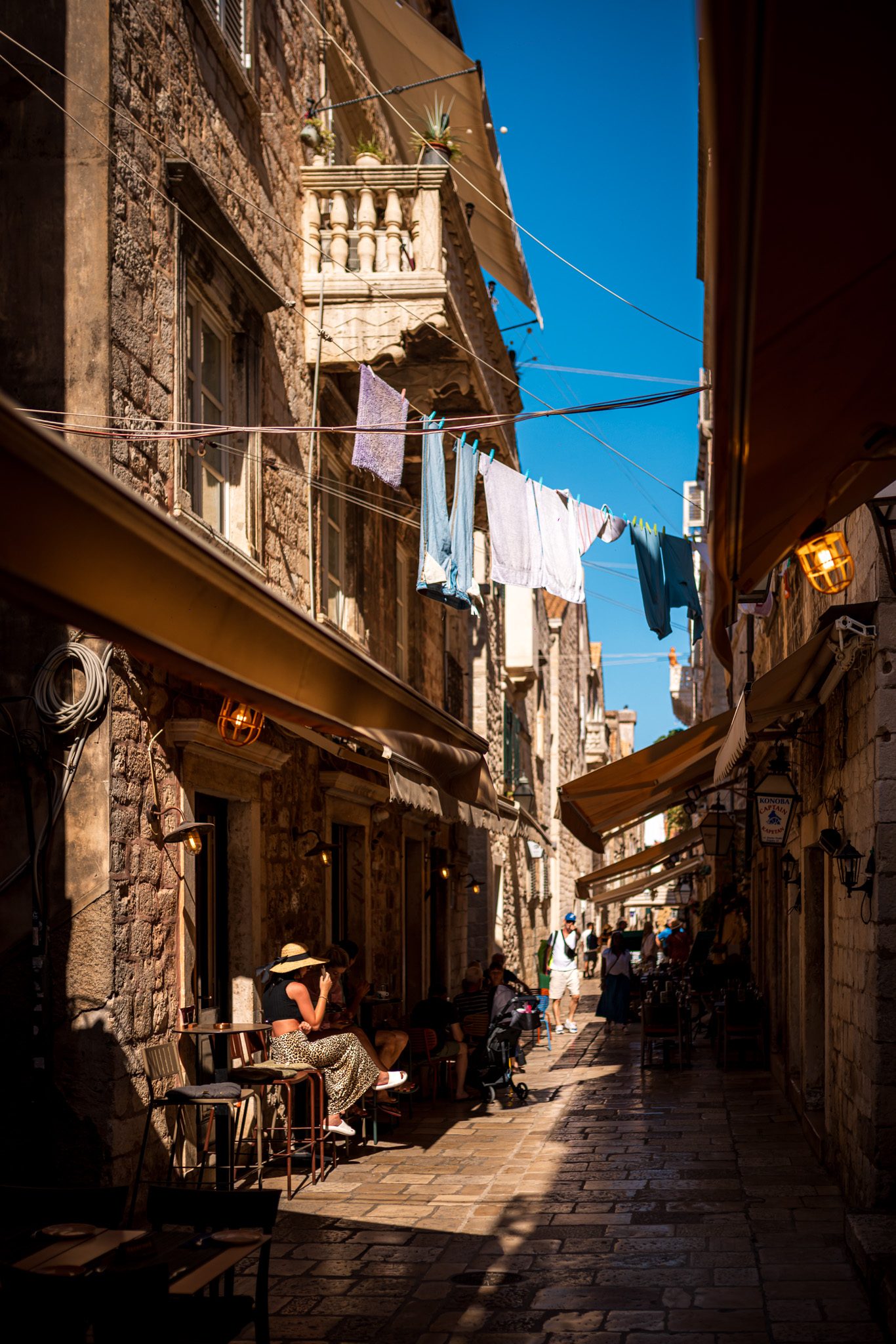
If you head along the left side of the Stradun beside the side wall of the Franciscan Church (C. Medović Street), you will reach the street of Prijeko, which runs parallel to the Stradun…
 © Raguž Lučić
Pustjerna
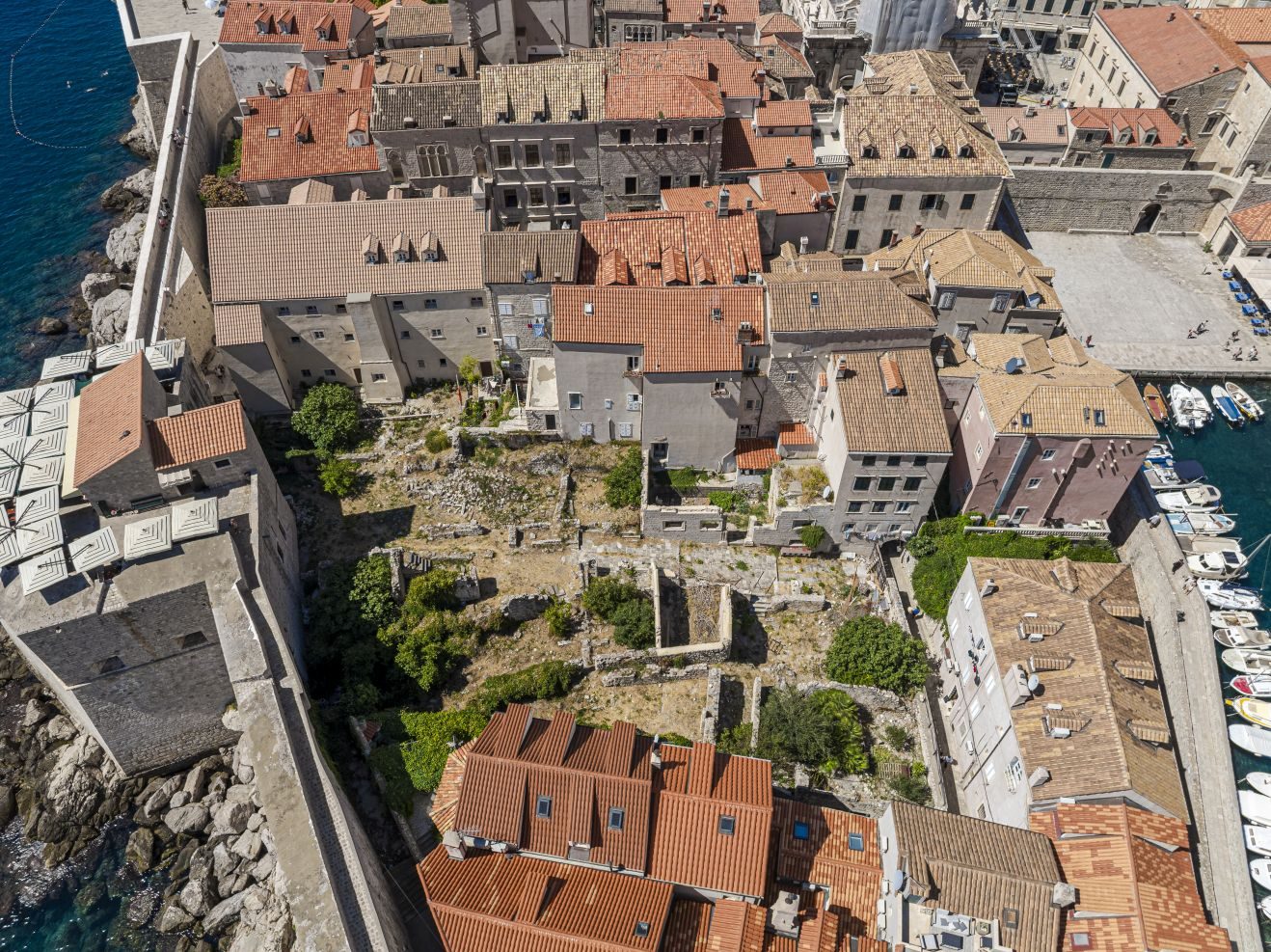
From the city harbour, via Damjan Juda Street, you can climb up to the area of Pustjerna, to which the city first expanded. Today, in its side streets, there is the beautiful Baroque Church…
 © Raguž Lučić
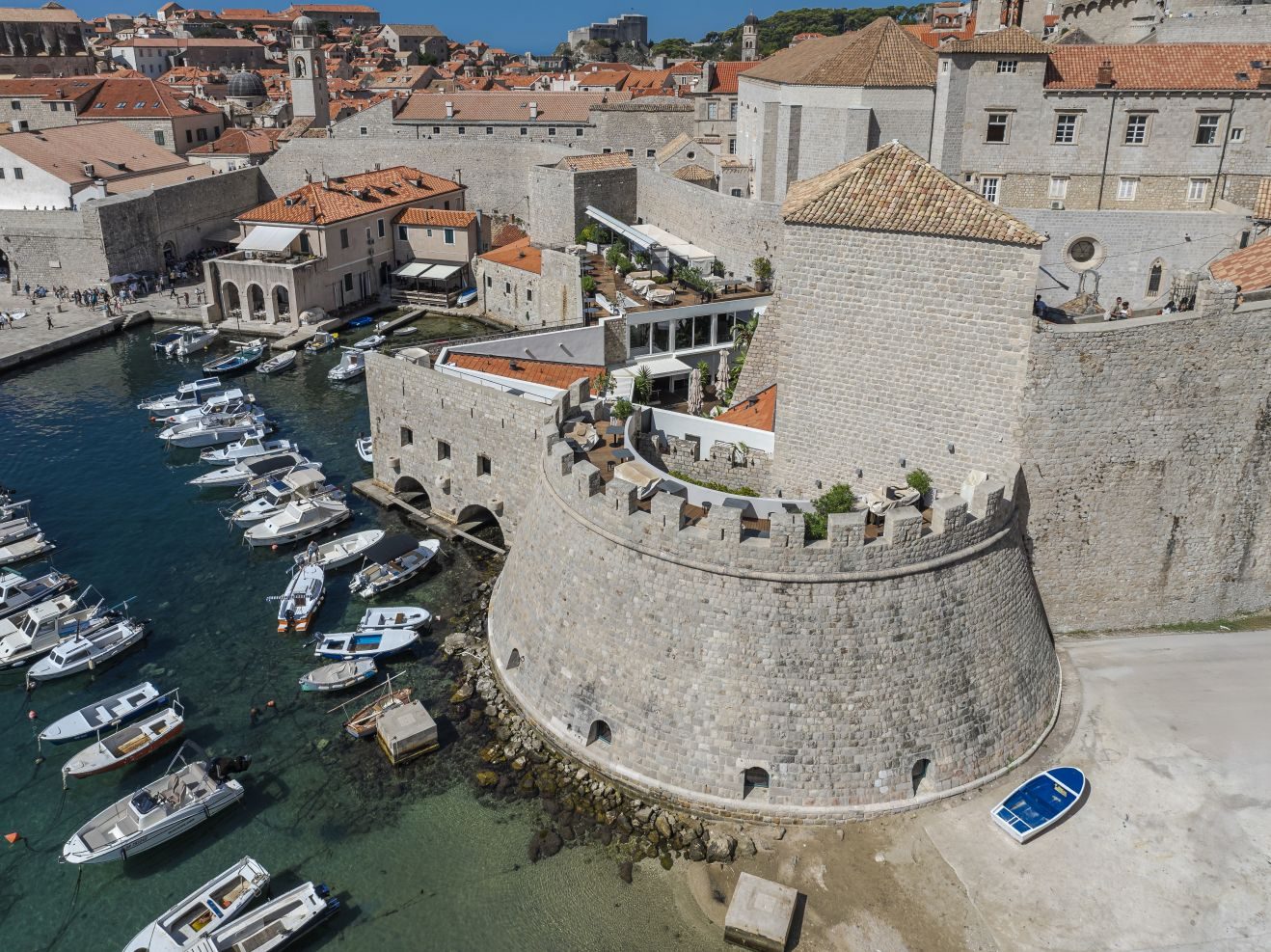
Revelin Fortress
The powerful fortress at the eastern entrance to the city was named after the Renaissance-style defensive structure known as a ravelin, designed to protect a key strategic point. In ancient…
 © Raguž Lučić
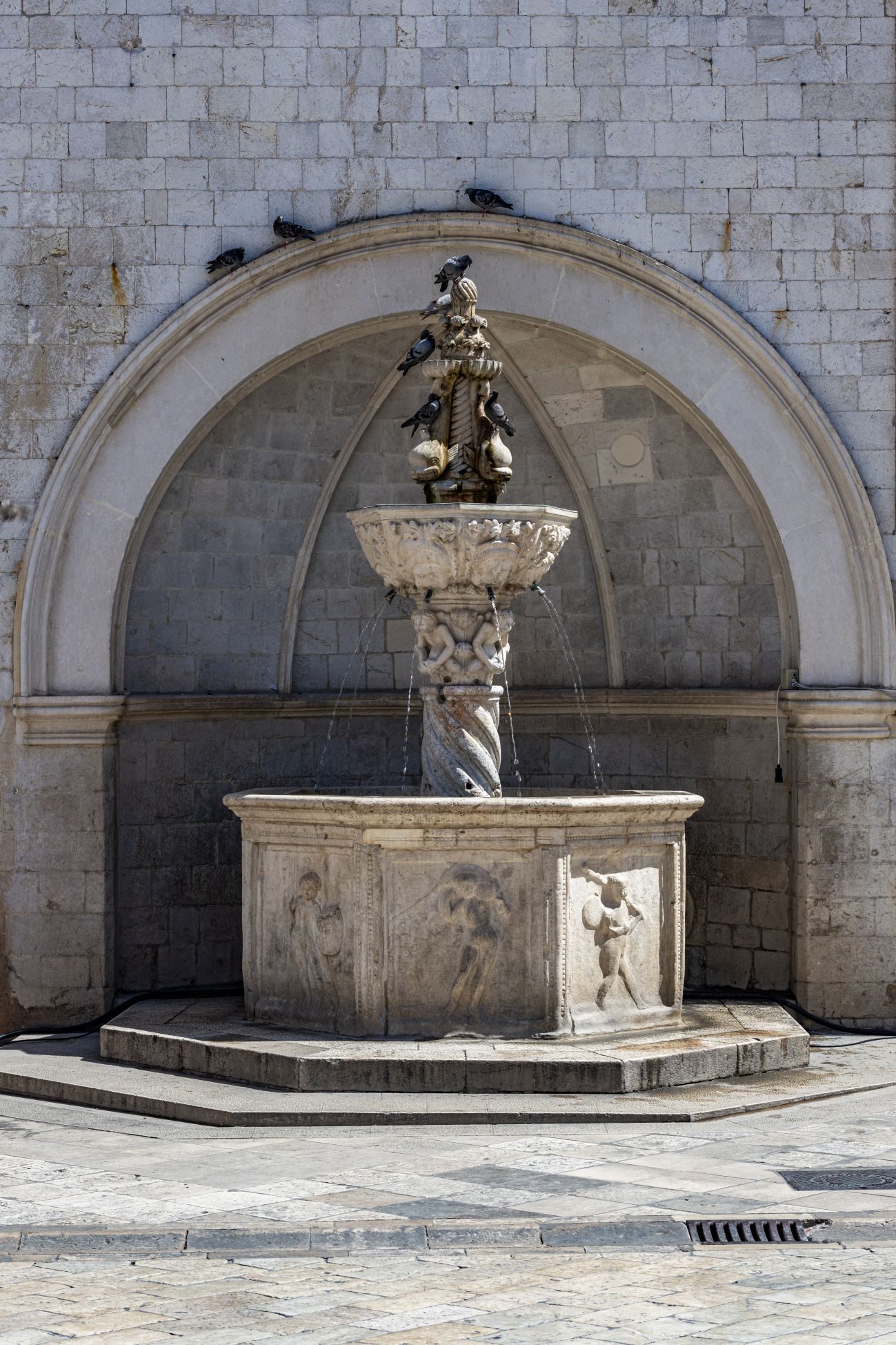
Small Onofrio Fountain
The Small Onofrio Fountain stands in a niche on the City Guard façade. Designed by Onofrio della Cava in 1446, it was put up on the eastern part of Placa (Stradun) after the construction of…
 © Raguž Lučić
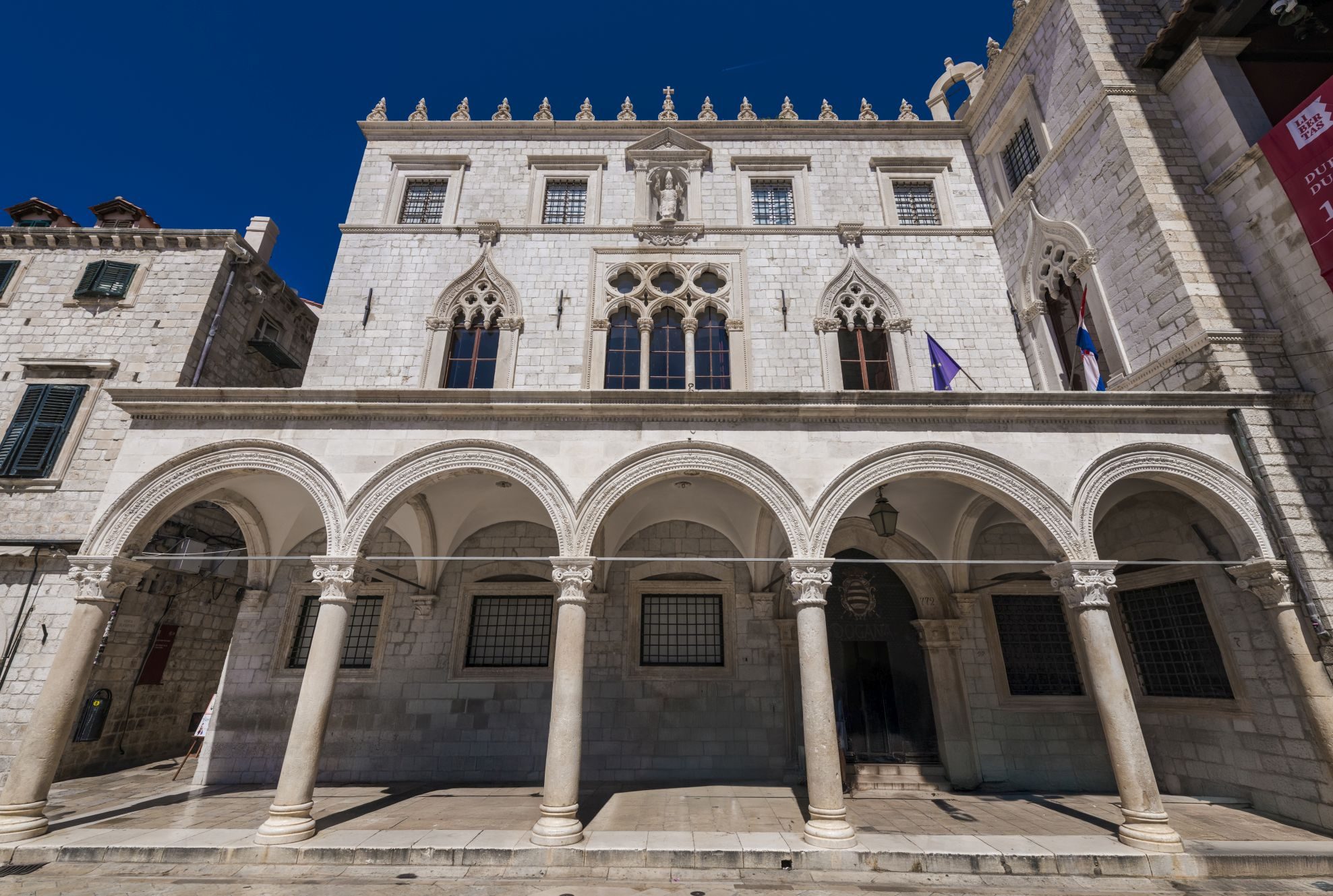
Sponza Palace
Westwards from the Bell Tower stands the exquisite Customs Palace Divona, called Sponza, built in Dubrovnik's specific Gothic-Renaissance style. The palace, that also served as the mint and…
 © Zoran Marinović
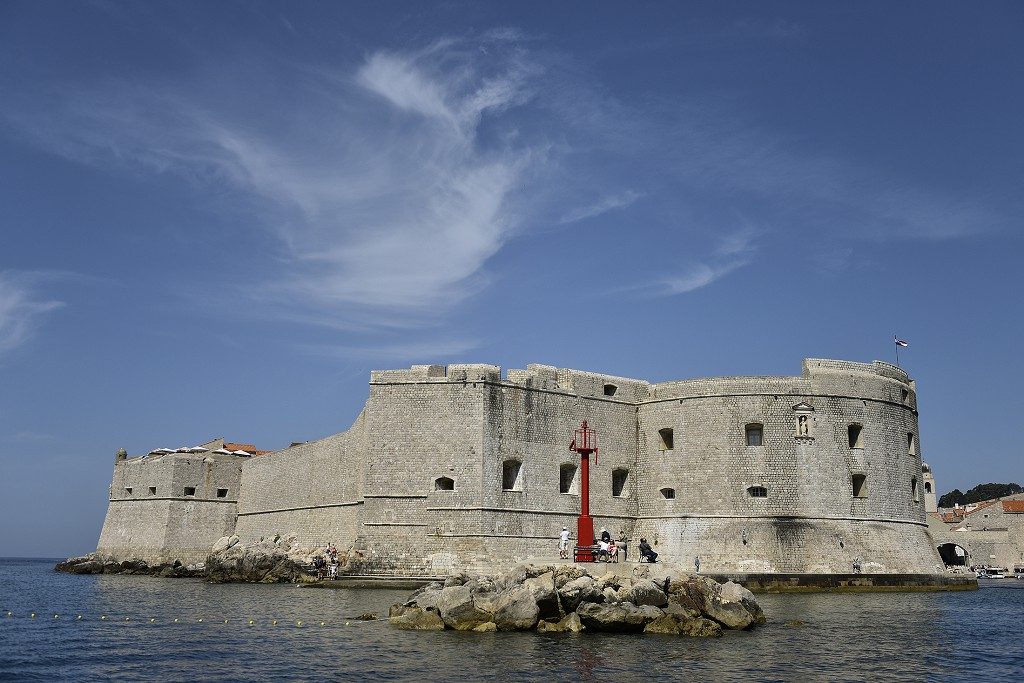
St. John's Fort
It is located on the south-eastern corner of the city and was named after the nearby medieval Church of St. John. Throughout history it was also called the Tower by the Pier and the Harbour…
 © Raguž Lučić
St. Luke's Tower
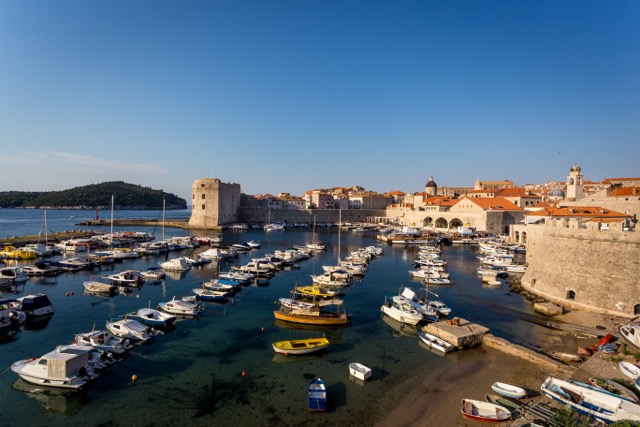
It is an old fortress that was the first to protect the city harbour from the northern side. It was named after the pre-Romanesque church located at its base. Chroniclers state that it was…
 © Julien Duval
The City Harbour
One of the oldest parts of the City was built around the Late Antique castle by the sea, which stretched landwards a bit more than it does today, on the site of the pre-Romanesque Cathedral…
 © Yuya Matsuo
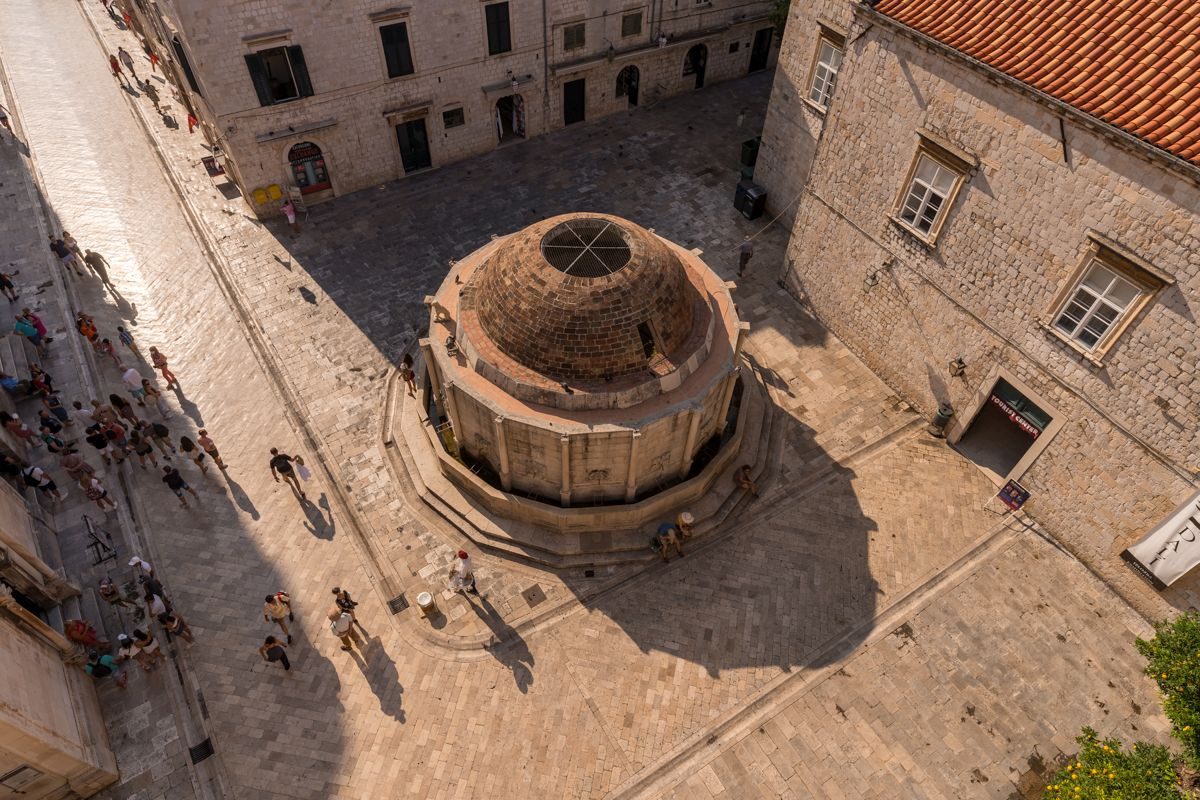
The Large Onofrios Fountain
Entering the City through the western entrance you begin your sightseeing with a large polygonal fountain with 16 stone-carved maskerons out of which water flows.
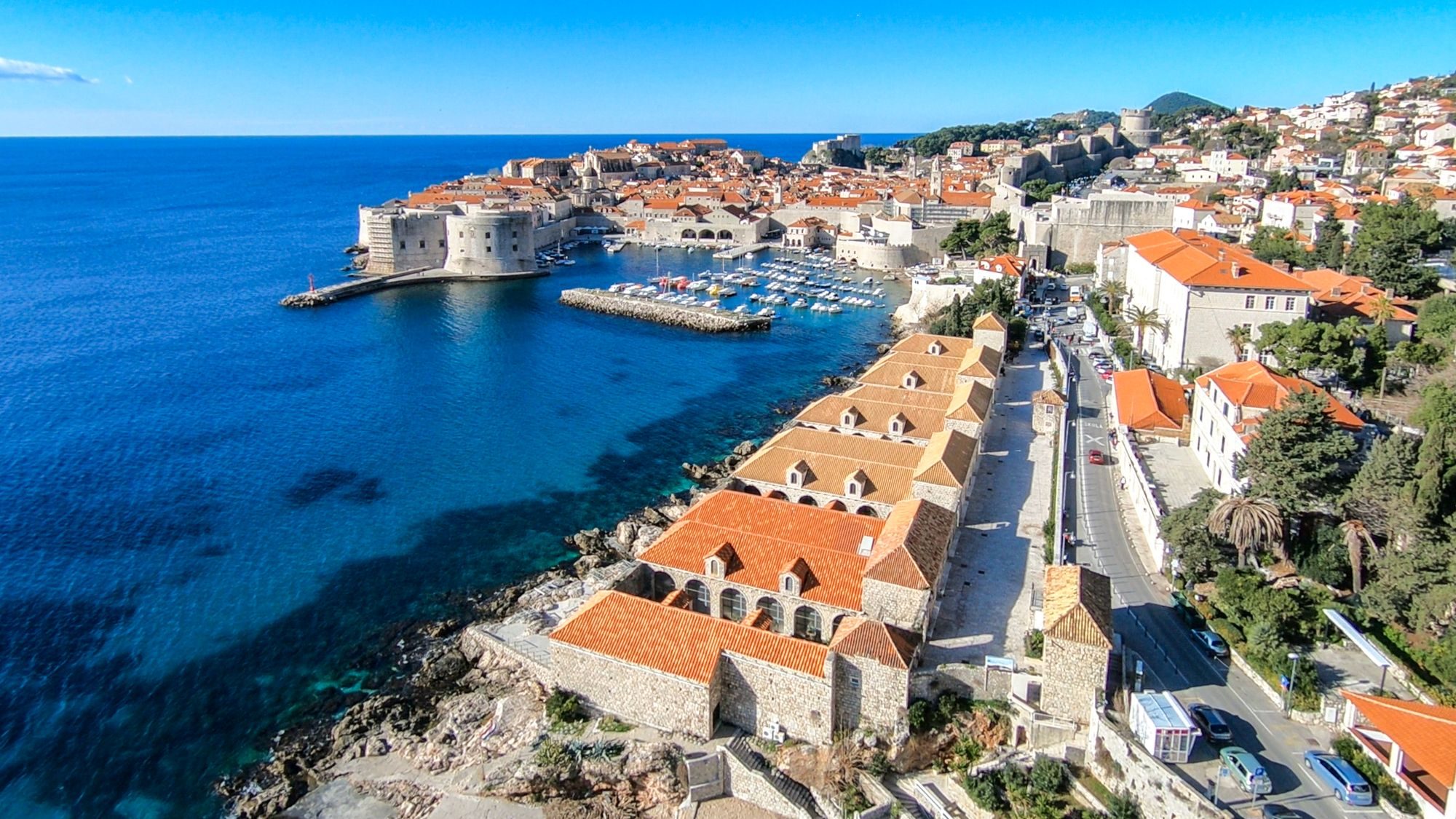
The Lazarettos
Walking towards the eastern entrance to the City one faces the Lazaretto Complex at Ploče. The eastern suburb Ploče used to be the meeting place of merchants' caravans and travellers from…
 © Raguž Lučić
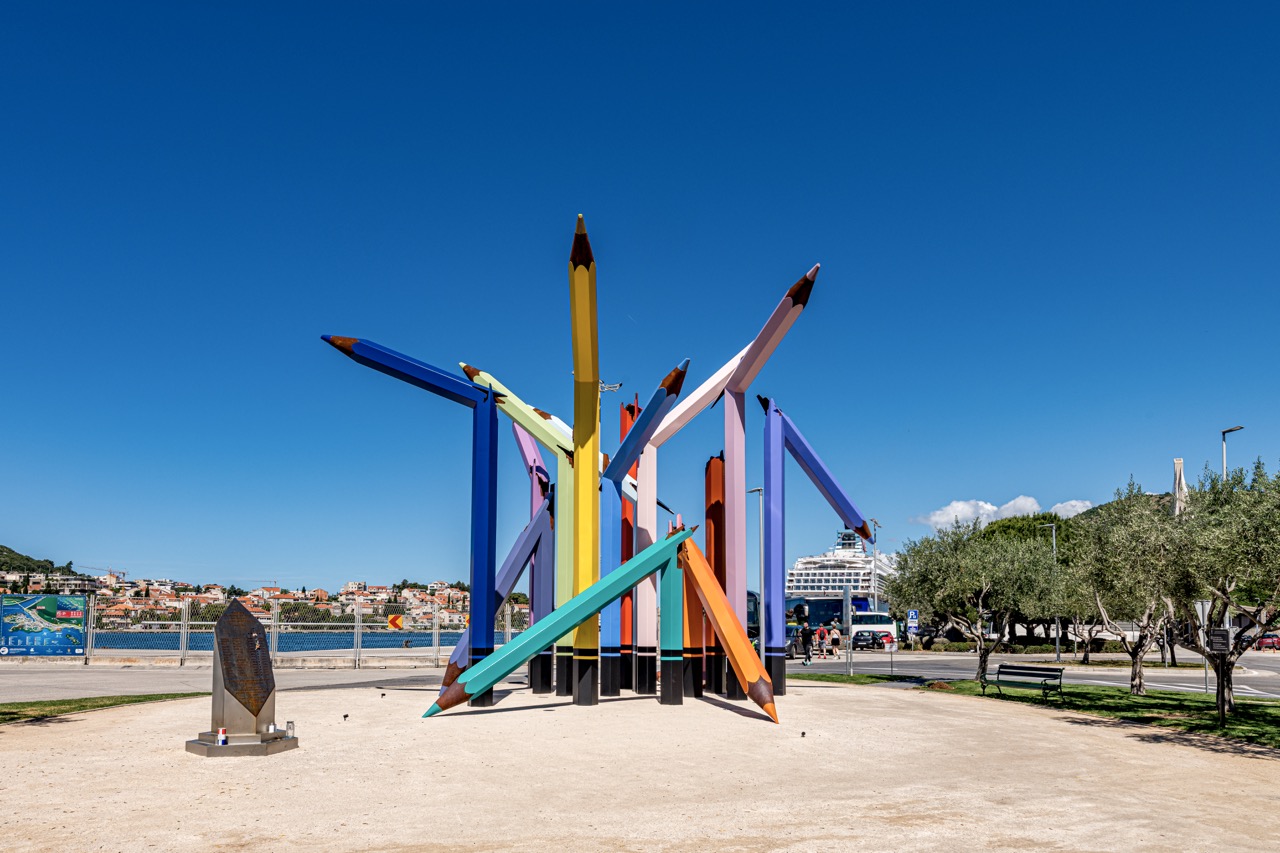
The Memorial Honouring Dubrovnik's Children Lost in War
Located in the Port of Gruž, the Memorial to the Children Killed in the Homeland War stands as one of Dubrovnik's most moving places of remembrance. Dedicated to the fifteen children from…
 © Zoran Marinović
The Rectors Palace
One of the most significant monuments of profane architecture on the Croatian coast, the Rectors Palace, was the administrative centre of the Dubrovnik Republic. Its style is basically…