

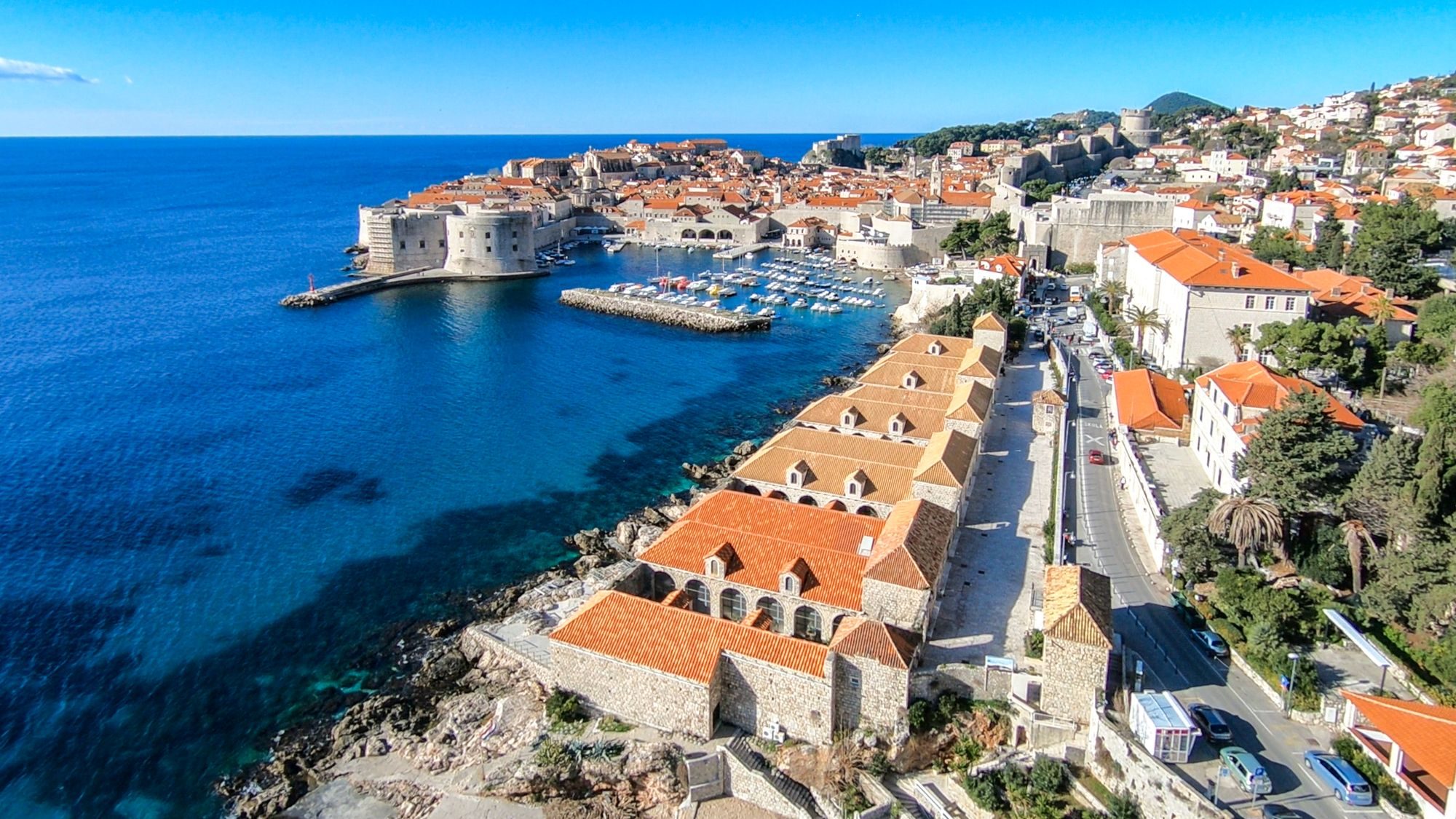
The Lazarettos
Walking towards the eastern entrance to the City one faces the Lazaretto Complex at Ploče. The eastern suburb Ploče used to be the meeting place of merchants' caravans and travellers from the Ottoman Empire.
The first quarantine was thus built at Ploče as early as 1377 for the purpose of isolating the travellers and goods from eastern countries, where the outbreaks of contagious diseases were frequent.
The Lazarettos, consisting of eight preserved buildings and five courtyards, were renovated in 1623 from the seaside in order to also enable landing of larger boats. The complex included large warehouses for goods and livestock, as well as lodgings for the extended stay of merchants and travellers in isolation.
In the 17th century the Dubrovnik Lazarettos were the largest merchants transit centre on the Adriatic, and one of the best organized quarantines on the Mediterranean.
Today, the Lazarettos serve manifold purposes such as recreation, trade and entertainment. The most attractive Dubrovnik hotels Excelsior and Argentina, as well as the Museum of Modern Art, in a monumental villa from 1939, are also situated at Ploče.
More in this section
Monuments →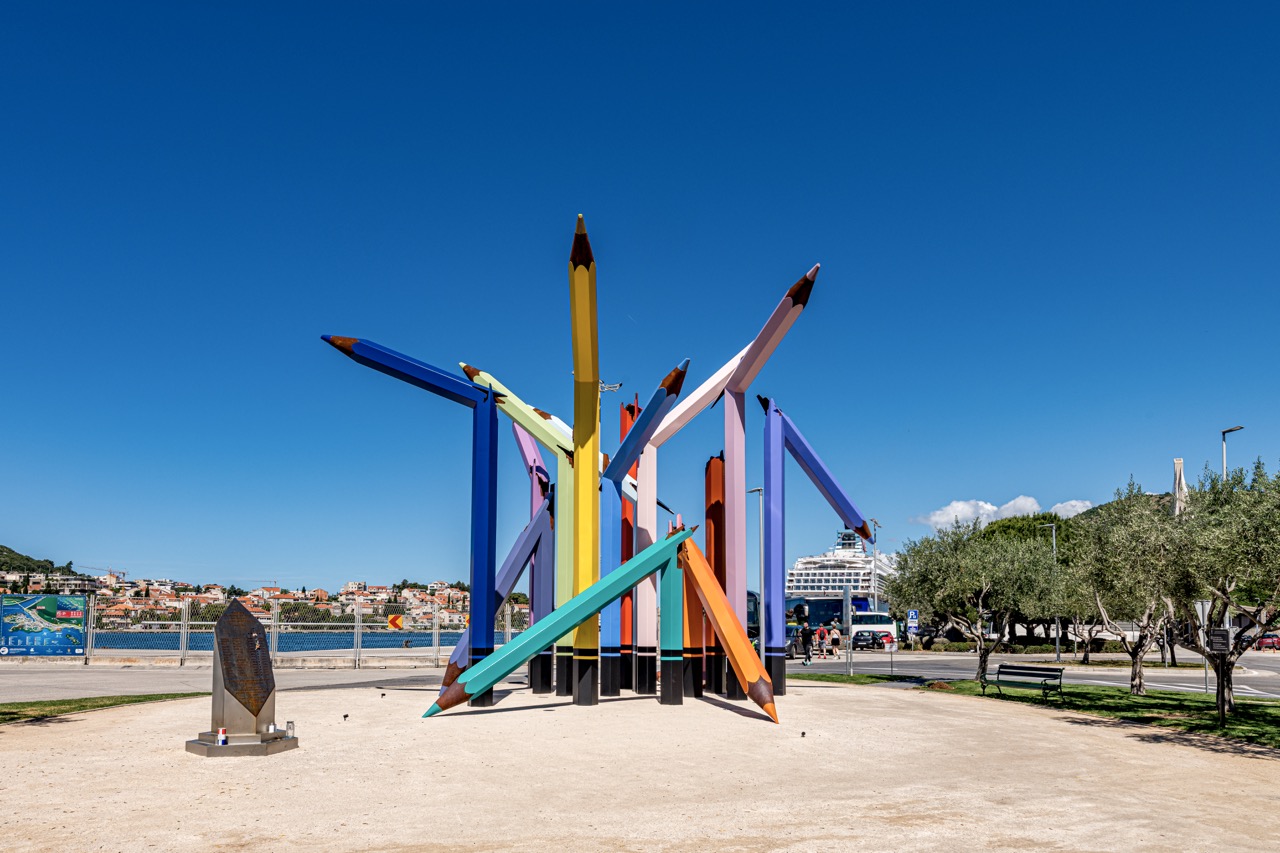
The Memorial Honouring Dubrovnik's Children Lost in War
Located in the Port of Gruž, the Memorial to the Children Killed in the Homeland War stands as one of Dubrovnik's most moving places of remembrance. Dedicated to the fifteen children from…
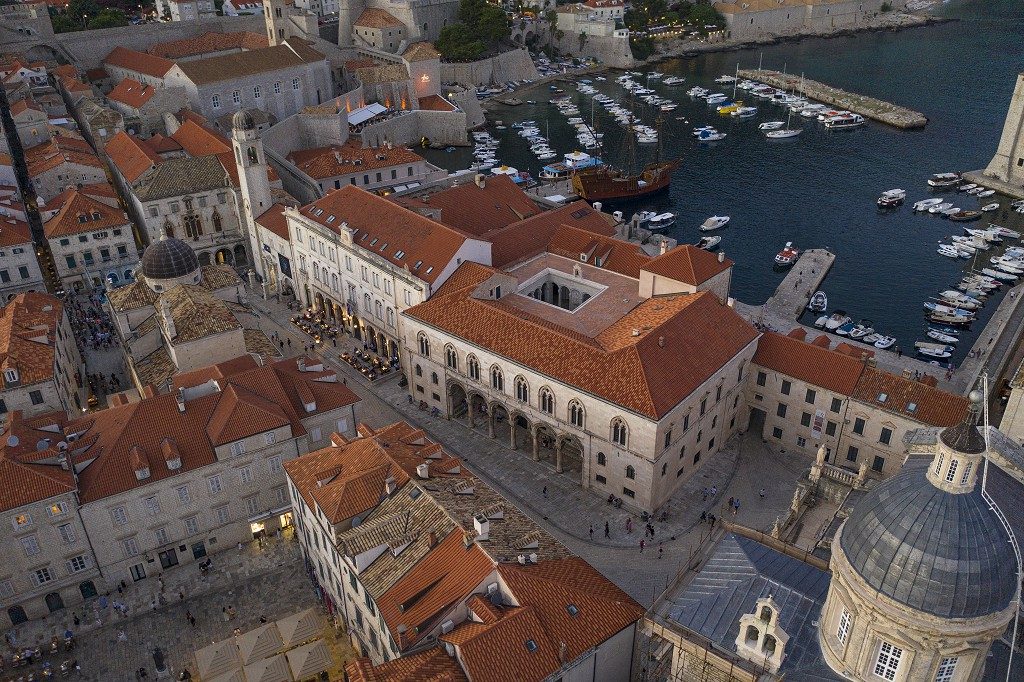
The Rectors Palace
One of the most significant monuments of profane architecture on the Croatian coast, the Rectors Palace, was the administrative centre of the Dubrovnik Republic. Its style is basically…
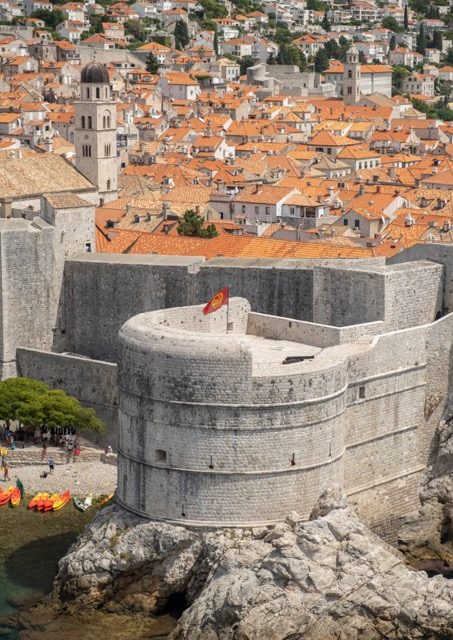
Bokar Fort
At the time of its construction it was called Zvjezdan (the Star Tower) or the Tower of Brsalje, after the shooting range that was located not far from it, across the city moat. It is…