

 © Raguž Lučić
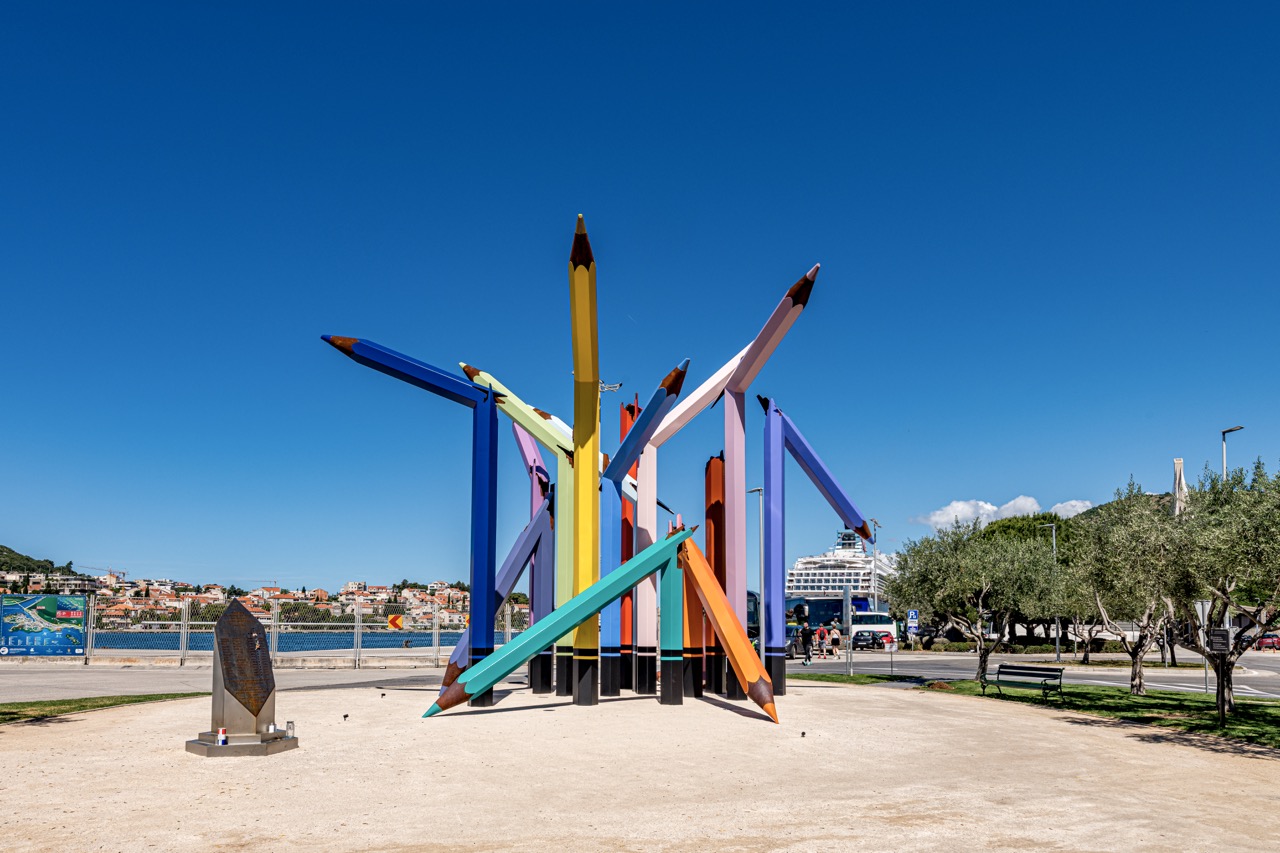
The Memorial Honouring Dubrovnik's Children Lost in War
Located in the Port of Gruž, the Memorial to the Children Killed in the Homeland War stands as one of Dubrovnik's most moving places of remembrance. Dedicated to the fifteen children from the Dubrovnik area who lost their lives during the Homeland War between 1991 and 1995, the monument is both a tribute to those young lives and a lasting reminder of the value of peace.
Designed by academic sculptor Dalibor Stošić in collaboration with architect and designer Hrvoje Bilandžić, the memorial takes the form of fifteen brightly coloured pencils. Rather than depicting the symbols of war, the artists chose objects closely associated with childhood, creativity and hope. Each pencil represents one of the children whose lives were cut tragically short. The pencils are intentionally broken, with polished steel marking the point of fracture. The contrast between vibrant colours and exposed metal symbolises interrupted childhoods, while the steel is designed to weather over time, leaving natural traces that evoke enduring memory and loss.
As only the second memorial in Croatia dedicated specifically to children killed during the Homeland War, following the memorial in Slavonski Brod, it holds national significance. More than a monument to the past, it serves as a place of reflection, remembrance and education, reminding future generations of the human cost of war and the precious value of freedom and peace.
More in this section
Monuments →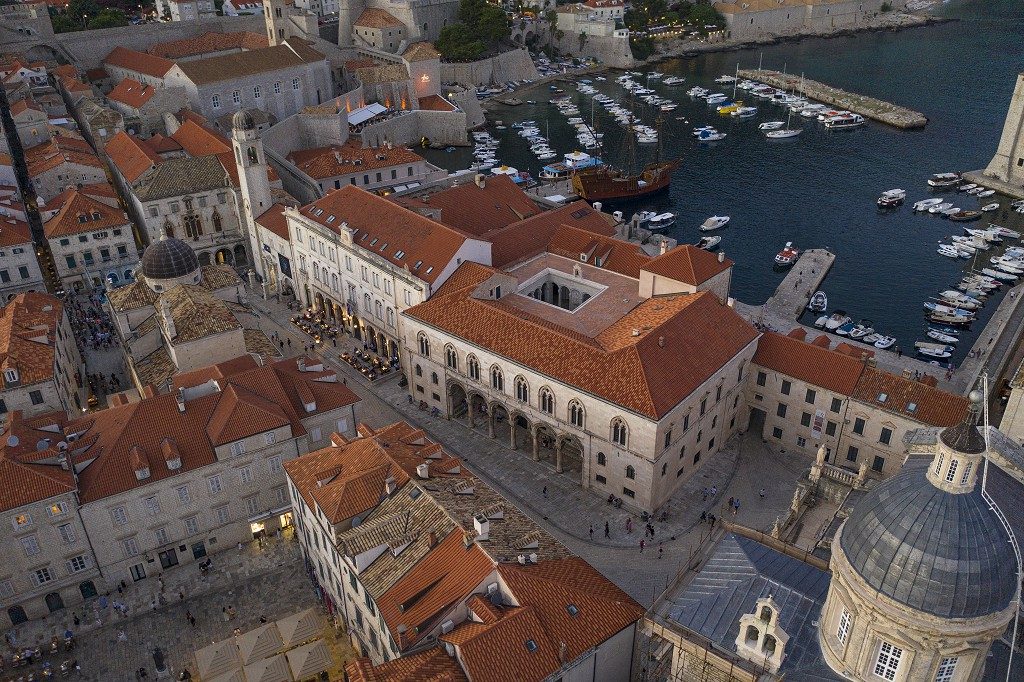
The Rectors Palace
One of the most significant monuments of profane architecture on the Croatian coast, the Rectors Palace, was the administrative centre of the Dubrovnik Republic. Its style is basically…
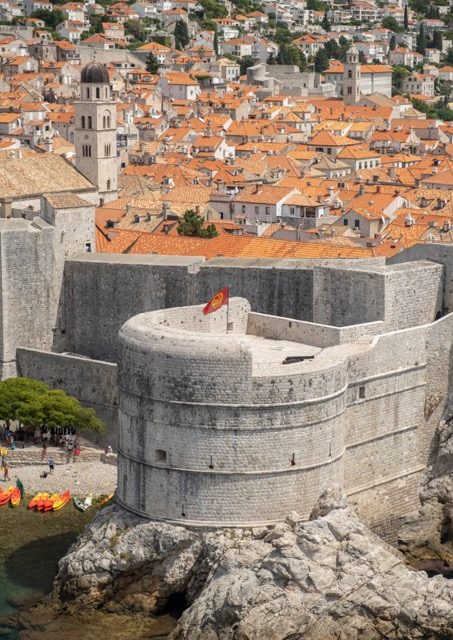
Bokar Fort
At the time of its construction it was called Zvjezdan (the Star Tower) or the Tower of Brsalje, after the shooting range that was located not far from it, across the city moat. It is…
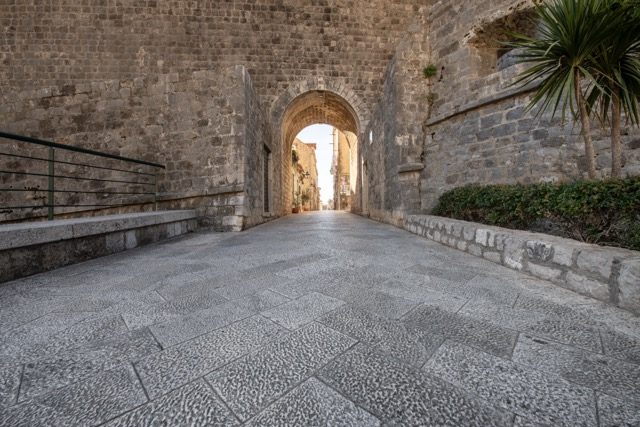
Buža Gate
Following Ruđer Bošković Street to the top of the steps, you will arrive at the Buža Gate that was opened in the city walls in 1907. The street was named after the native house of Ruđer…