

 © Raguž Lučić
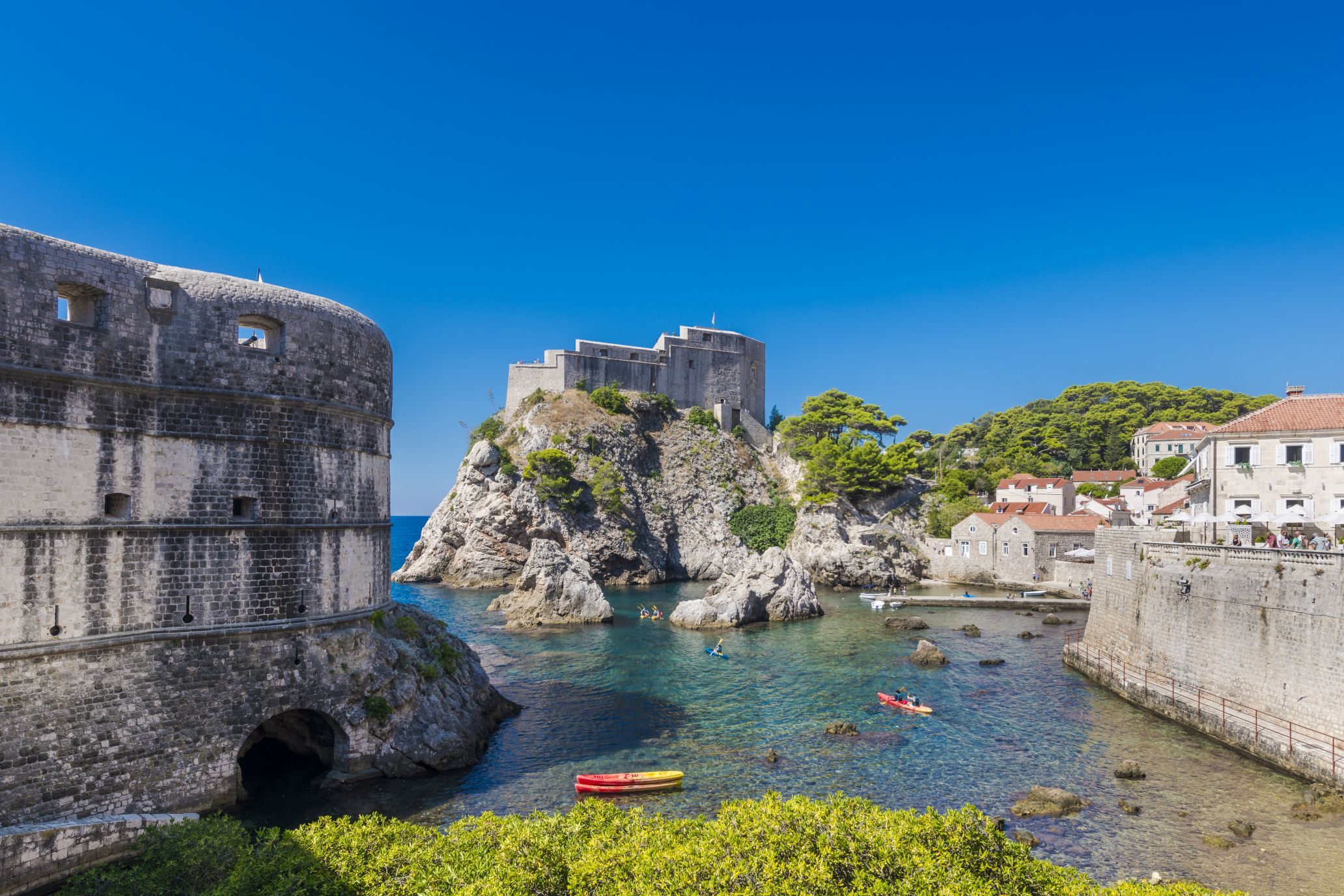
Lovrjenac Fortress
The monumental standalone fortress, rising on a 37-metre-high sea rock, was named after Saint Lawrence, and throughout history it was also called the Gibraltar of Dubrovnik.
Written documents prove that the 14th century was crucial for the construction of this impregnable fortress and that, because of the exceptional importance of its strategic position, the structure of the fortress itself was refined and strengthened during the 15th and 16th centuries. In the great earthquake of 1667 it was heavily damaged, and restoration lasted until the end of the 17th century.
The primary reason for building the fortress was defensive in nature, although its functions changed over the centuries. Thus, during the Austrian occupation it was turned into a barracks, and during the Second World War into a prison.
Above the gate leading into Lovrjenac Fortress, the following words are still carved in stone today: "Non Bene Pro Toto Libertas Venditur Auro" – "Freedom is not sold for all the gold in the world."
More in this section
Monuments →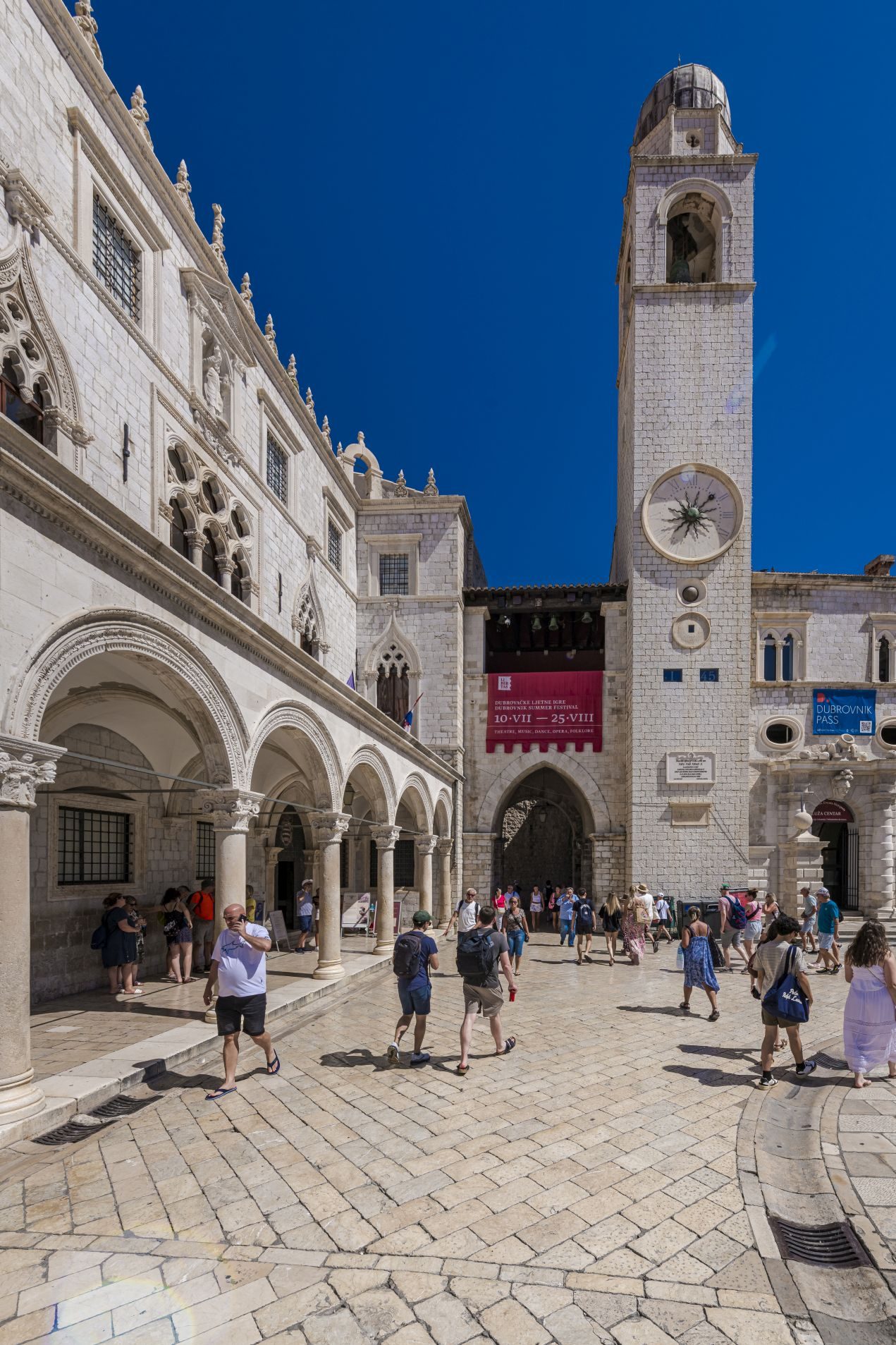
Luža and the City-Bell Tower
Entering the City from the east, through the Ploče Gate, along the street between the southern side of the Dominican Monastery and the city wall, through the Custom's Gate, you will come to…
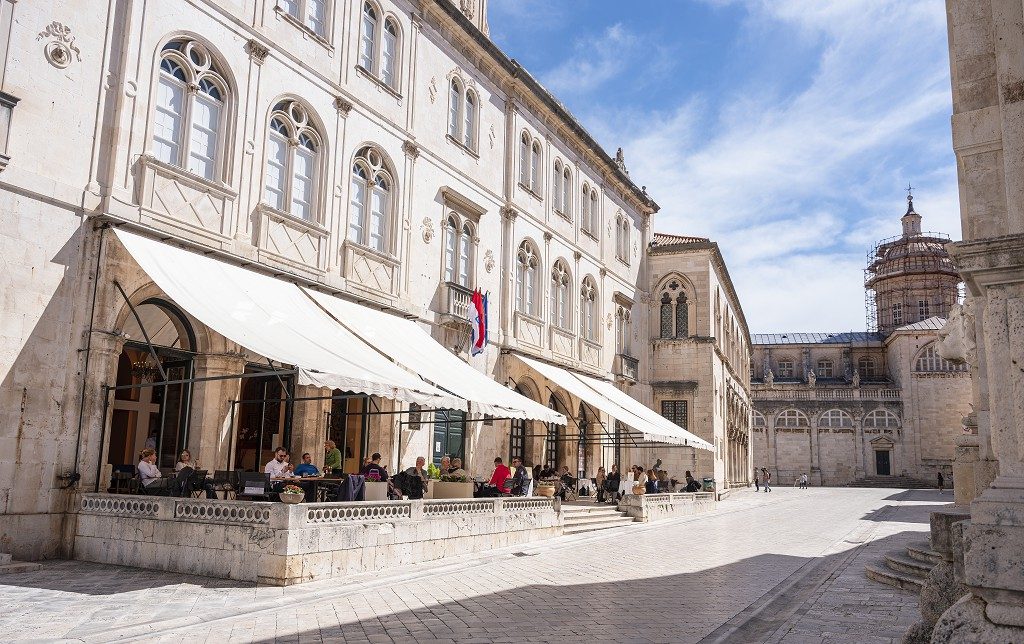
Major Council Palace
The Major Council Palace, constructed in the 14th century, was located between the City Guard and the Rectors Palace. From the eastern seaward side it adjoined the large arsenal, the…
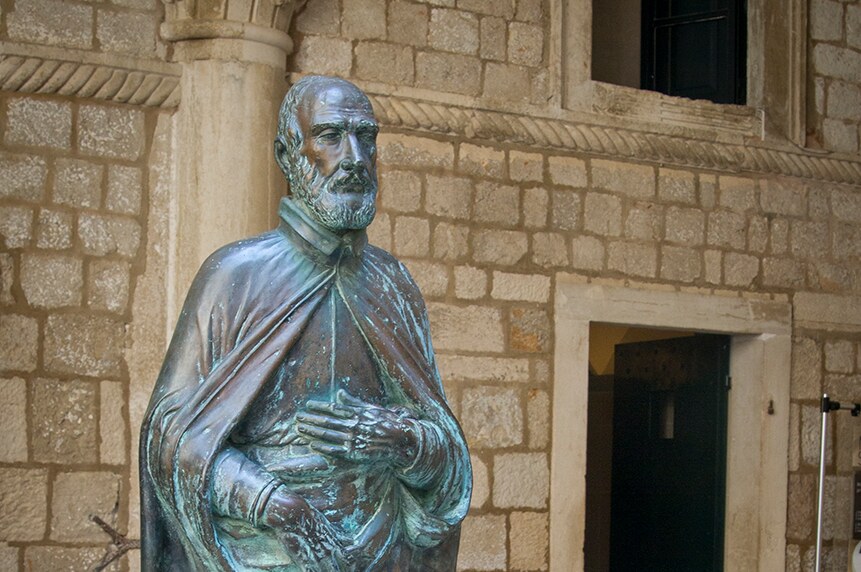
Miho Pracat
What is the reason why the Dubrovnik Senate reached a decision in 1638 to place a bust of a commoner between two columns at the eastern wing of the Rectors Palace atrium? The only plebeian…