

Ethnographic Museum
The Ethnographic Museum traces its origins to a collection of traditional culture, which began to form in the early decades of the 20th century. The collection was significantly expanded with examples of folk costumes and embroidery, many of which were donated by the museum's great benefactor, Jelka Miš.
Over time, the collection grew into the Ethnographic Department of the Dubrovnik Museum, and in 1950, it opened its first display of ethnographic folk handicrafts from the Dubrovnik region. In 1991, the museum moved into the building of the grain storage facility of the Dubrovnik Republic, popularly known as "Rupe." Built in 1590, this three-story structure has fifteen storage holes on the ground floor and drying spaces on the upper floors.
The Ethnographic Museum's collection now holds more than ten thousand items representing the ethnographic heritage of the Dubrovnik region, Croatia, and surrounding countries. The permanent exhibition on the ground floor of the building presents the storage of grain in situ, while the first and second floors display traditional economy and rural architecture of the Dubrovnik area, along with ceremonial costumes, among which unique 19th-century examples stand out.
Address: Od Rupa 3, 20000 Dubrovnik
Phone: +385 20 323 013
Email: etnografski@dumus.hr
Website: https://www.dumus.hr/hr/etnografski-muzej/
More in this section
Museums and galleries →
Exhibitions of the Archaeological Museum
In 1872, the Native Museum was established in Dubrovnik, and in mid-1873, the first museum exhibition was set up in the municipal building. Among the exhibits, mostly from the period of the…
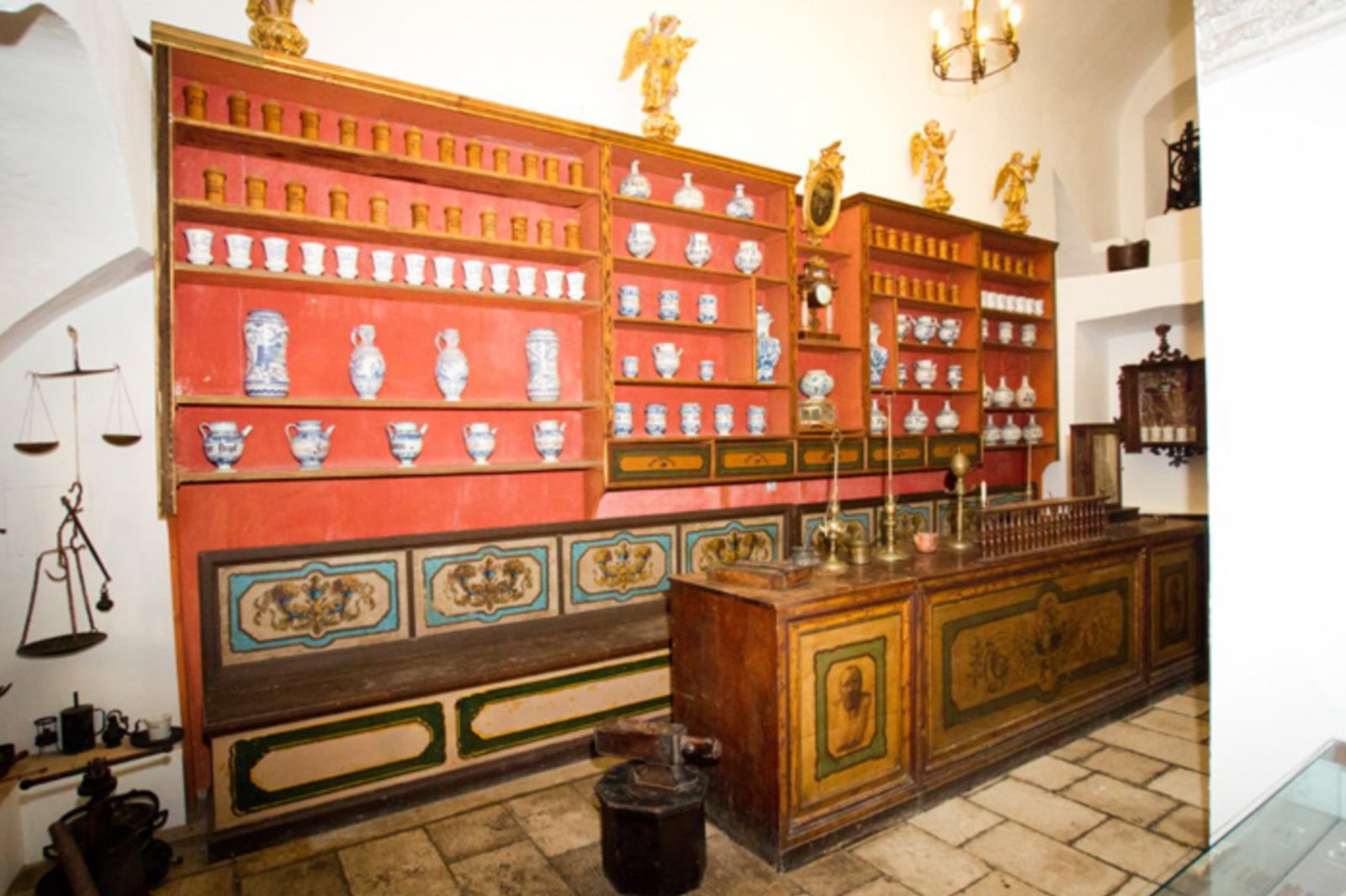
Franciscan Monastery Museum
The finest Romanesque-Gothic cloister abounding with valuable works of art.

Homeland War Museum
The Homeland War Museum Dubrovnik is a specialized historical museum located in the Imperial Fortress. During the Homeland War from 1991 to 1995, the Imperial Fortress was the front line of…