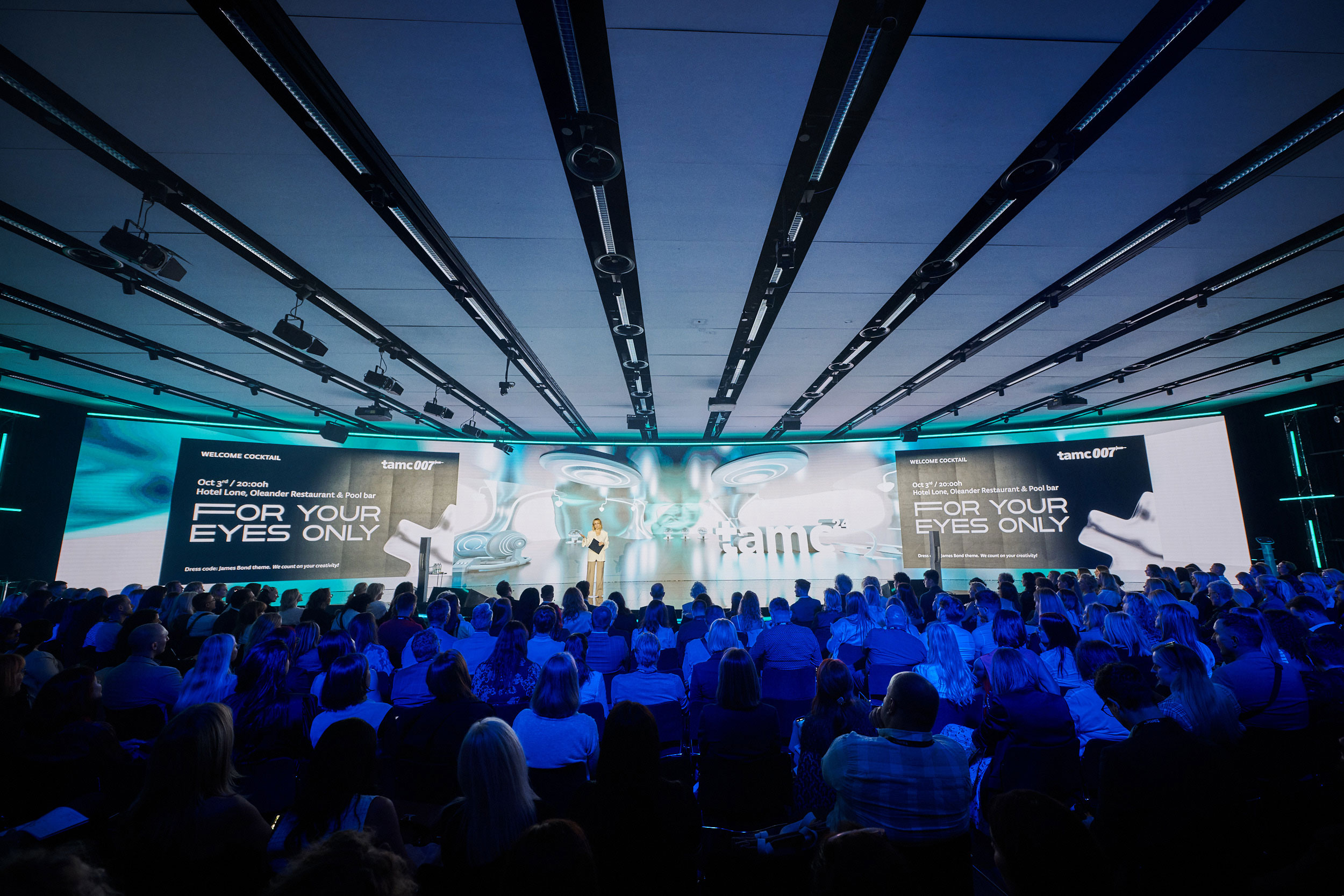


The 14th ISABS Conference, one of the world’s most influential scientific meetings in applied biological sciences, precision medicine, forensic genetics and artificial intelligence, once again positioned Dubrovnik as a global centre for high-level scientific exchange and interdisciplinary collaboration. It was held from June 15 to 19 at the Hotel Dubrovnik Palace.
Founded in 1997 by Prof. Dragan Primorac, the ISABS Conference has developed into a leading international platform dedicated to advancing research and translating scientific discoveries into clinical practice, bringing together more than 7,000 participants and 900 lectures to date, including presentations by ten Nobel Prize laureates: Aaron Ciechanover, Richard Roberts, Gregg Semenza, Svante Pääbo, Robert Huber, Ada Yonath, Paul Modrich, Harald zur Hausen, Avram Hershko, and Thomas Südhof.
Organised by the International Society for Applied Biological Sciences (ISABS) in cooperation with leading institutions such as the Mayo Clinic, Special Hospital St. Catherine and ICABS, and supported by numerous Croatian and international academic partners, the conference continues to serve as a bridge between science, medicine and technology on a global scale.
Global Participation and Interdisciplinary Scientific Exchange
This year’s edition gathered approximately 450 participants from more than 30 countries, including the USA, China, South Korea, India, Saudi Arabia, UAE, Israel, the UK, Germany, Italy, Finland and several others. The audience included leading scientists, clinicians, researchers and young investigators, reflecting the conference’s strong focus on knowledge transfer and support for emerging scientific talent.
The programme featured plenary lectures, thematic sessions, panel discussions and satellite symposia covering artificial intelligence in precision medicine, forensic and anthropological genetics, oncology, cardiology, pathology, digital biomarkers, multi-omics integration and AI-driven clinical decision-making. A key emphasis was placed on interdisciplinary collaboration and the translation of research into clinical practice.
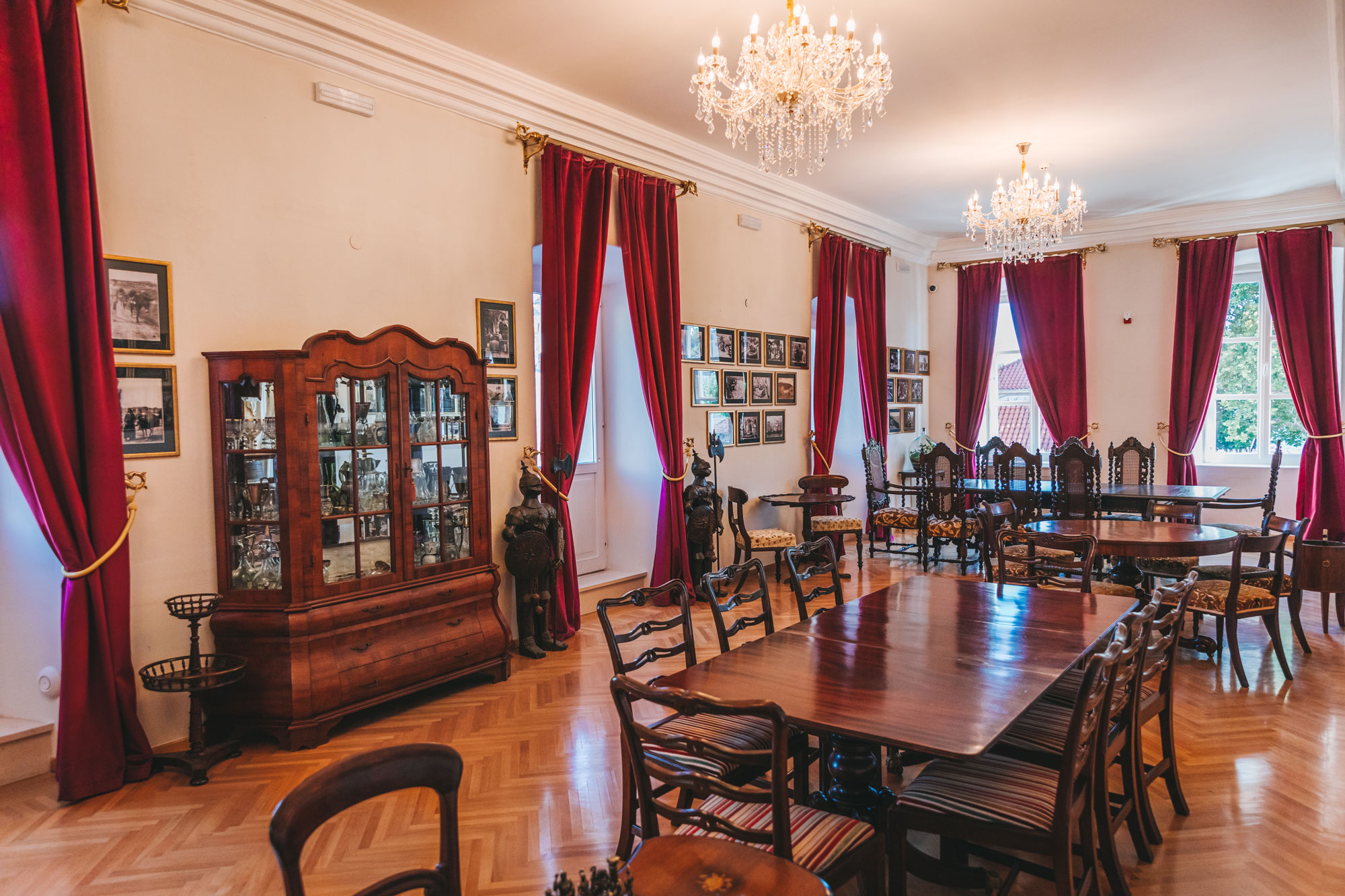
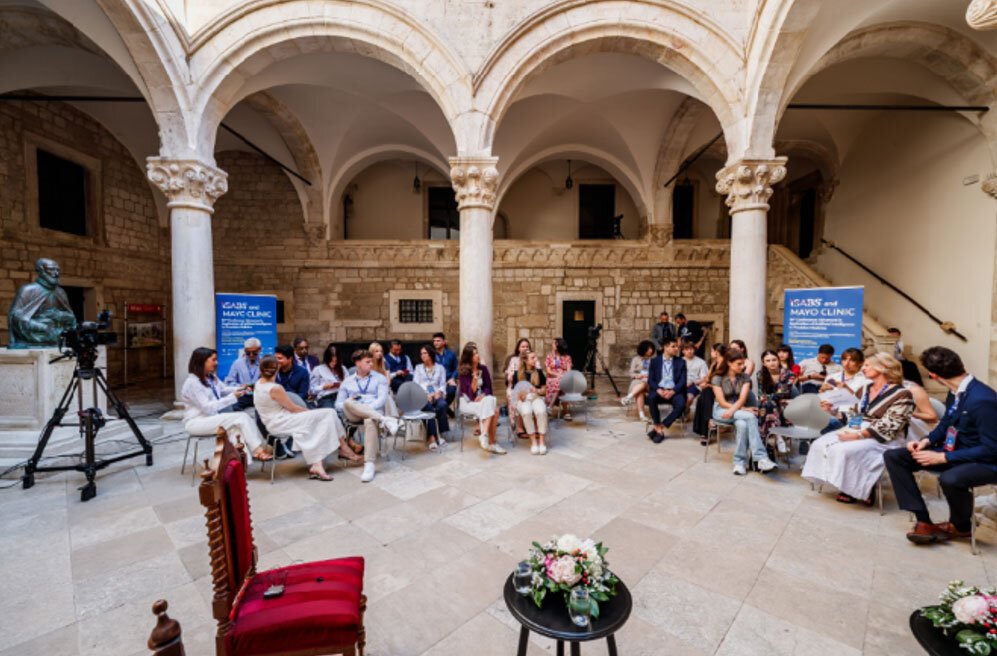
A highlight of the conference was the “Nobel Spirit” panel held at the Rector’s Palace in Dubrovnik and broadcast on television. Moderated by Mark Thomas, it brought together Prof. Dragan Primorac, M.D., Ph.D., Prof. Gregg Semenza, M.D., Ph.D., Nobel Laureate in Physiology or Medicine, and Prof. James Caruso, M.D., President of the American Academy of Forensic Sciences (AAFS), to discuss the future of medicine in the era of artificial intelligence and the importance of ethical responsibility alongside technological progress.
Leading Experts and Breakthrough Scientific Insights
The conference programme featured an exceptional line-up of international experts from institutions such as Johns Hopkins University, MIT, UCSF and leading European research centres. Among the key speakers, Nobel Laureate Prof. Gregg Semenza presented research on cellular oxygen sensing and the role of hypoxia-inducible factors in cancer biology and therapy development.
Dr. Henry Erlich, a pioneer in PCR technology, outlined the evolution of molecular genetics, from the discovery of DNA to next-generation sequencing, demonstrating its impact on forensic identification, transplantation medicine and prenatal diagnostics.
Prof. Dragan Primorac presented research on osteoarthritis treatment using multi-omics and artificial intelligence, highlighting how integrated data analysis can reveal disease-modifying effects of regenerative therapies. Further contributions included talks by Prof. Manolis Kellis (MIT), Prof. Antonio Esposito, Prof. Bruce Budowle, Prof. Nataša Pržulj and special guest Prof. Garry Kasparov on human-machine collaboration and augmented intelligence.
Satellite Events and Dubrovnik as a Scientific Meeting Point
Alongside the main programme, ISABS 2026 featured a series of satellite events covering human genetics, regenerative medicine, sports medicine, forensic science and technology transfer. These sessions further strengthened the conference’s interdisciplinary scope and its role in connecting research with clinical and applied practice.
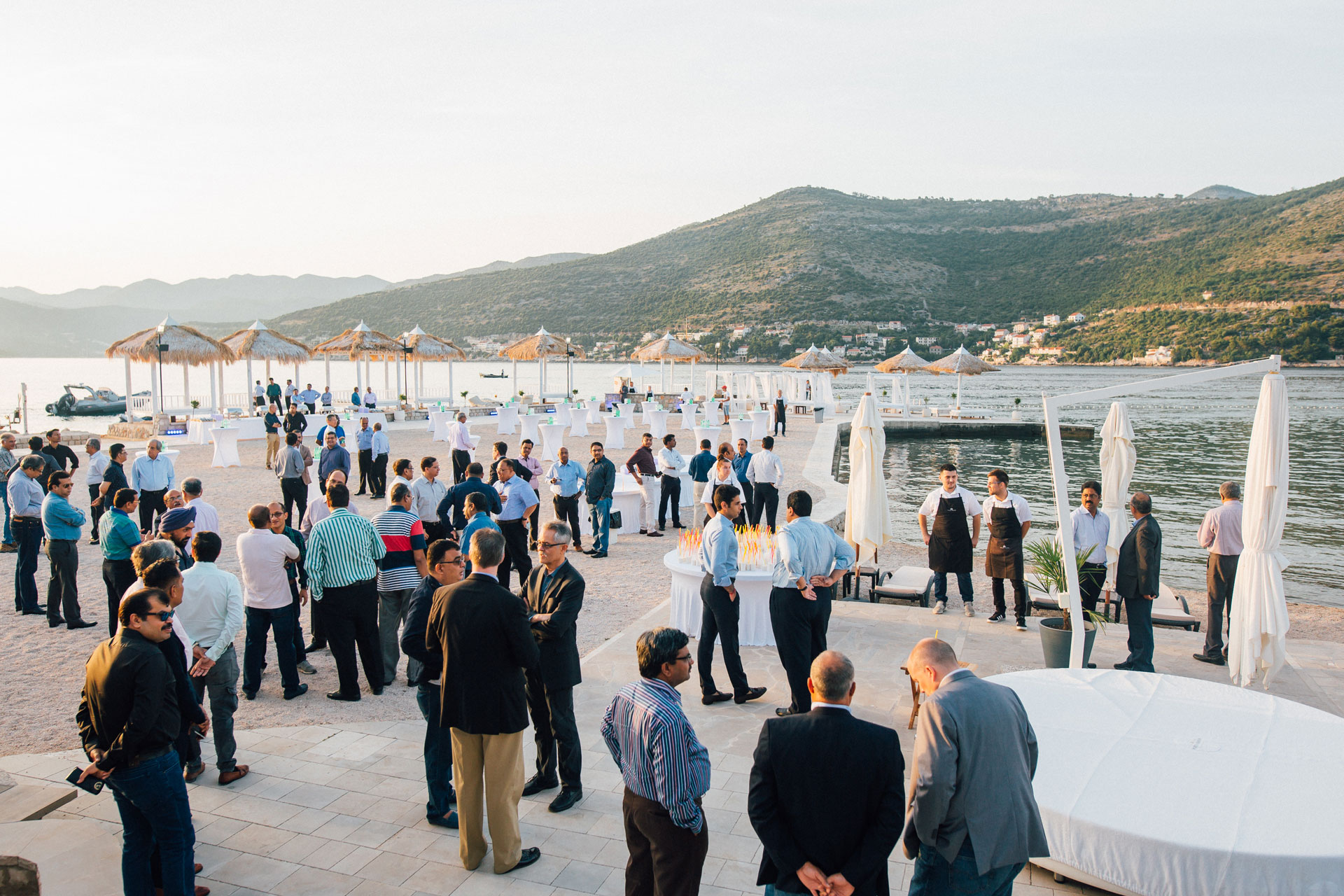
Participants also experienced Dubrovnik through curated networking and social events held at iconic venues across the city. The “Nobel Spirit” event at the Rector’s Palace stood out as a signature moment, combining high-level scientific discussion with the city’s historic setting. Additional networking opportunities and post-conference visits to Dubrovnik, the Elaphiti Islands, Split, the Plitvice Lakes and Zagreb further enriched the overall experience.
By combining cutting-edge science, international collaboration and a unique Mediterranean heritage setting, ISABS 2026 once again confirmed Dubrovnik as a leading destination for hosting high-profile congresses where science, innovation and cultural heritage meet.